Is an Expensive Sofa Worth It? Here's What You're Really Paying For

Buying a sofa is one of the biggest furniture investments most homeowners make. While it's possible to find sofas for a few hundred dollars, premium models can easily cost $2,000, $4,000, or even more than $10,000.
That price difference naturally raises an important question: Is an expensive sofa actually worth it? The answer isn't as simple as "yes" or "no."
Some expensive sofas genuinely offer better materials, stronger construction, longer lifespans, and a more comfortable ownership experience. Others charge luxury prices primarily because of branding, designer collaborations, or exclusive showrooms rather than meaningful improvements in quality.
Likewise, not every inexpensive sofa is a poor purchase. Some provide excellent value for renters, first-time homeowners, or people furnishing temporary spaces.
The real question isn't how much a sofa costs—it's whether the quality, durability, and ownership experience justify the price you're paying.
In this guide, we'll compare expensive and budget sofas side by side, explain where your money actually goes, and help you decide when paying more is a smart long-term investment.
Quick Answer
For many households, a well-built premium sofa offers better long-term value than repeatedly replacing inexpensive furniture. However, that doesn't mean every expensive sofa is worth buying.
The best value comes from sofas that combine:
- High-quality construction.
- Durable upholstery.
- Comfortable cushions.
- Strong warranties.
- Easy maintenance.
- Long expected lifespan.
You're paying for more than appearance—you're paying for years of everyday use.
At a Glance: Premium vs Budget Sofas
|
Feature |
Budget Sofa |
Premium Sofa |
|
Typical Price |
$400–$1,000 |
$2,000–$5,000+ |
|
Expected Lifespan |
3–7 years |
10–20+ years |
|
Frame Materials |
Particleboard, plywood |
Kiln-dried hardwood or engineered hardwood |
|
Cushion Quality |
Lower-density foam |
High-density foam, down blend, premium fills |
|
Upholstery |
Basic fabrics |
Higher-performance, durable fabrics |
|
Washable Covers |
Rare |
More commonly available |
|
Comfort Over Time |
May compress quickly |
Better long-term support |
|
Repairability |
Often limited |
Replacement parts and slipcovers may be available |
What Makes an Expensive Sofa More Expensive?
Many people assume they're simply paying for a designer name.
While branding can influence pricing, the biggest cost differences usually come from materials, construction, manufacturing, and long-term durability.
Understanding where your money goes makes it much easier to judge whether a sofa offers real value.
1. Better Frame Construction
The frame is the foundation of every sofa.
You rarely see it after purchase, but it has the greatest influence on durability.
Cheap sofas often save money by using lower-cost materials that may weaken over time.
Premium manufacturers typically invest more in structural integrity.
What to Look For
-
Kiln-dried hardwood frames.
Drying the wood removes excess moisture, reducing the likelihood of warping, cracking, or twisting as the sofa ages.
-
Reinforced joinery.
Corner blocks, dowels, screws, and glued joints provide greater stability than simple staples alone.
-
Engineered hardwood in key areas.
High-quality engineered wood can add strength and consistency when used correctly alongside hardwood components.
-
Sturdy support systems.
Well-built frames distribute weight evenly, helping prevent sagging over years of daily use.
-
Long-term durability.
A strong frame often determines whether a sofa lasts five years or twenty.
2. Higher-Quality Cushions
The cushions are what you'll notice every single day.
Comfort doesn't just depend on softness—it depends on how well the cushions maintain their shape after years of sitting.
Lower-quality foam often feels comfortable in the showroom but begins to flatten surprisingly quickly.
Premium cushions are designed to recover their shape and provide consistent support.
Premium Cushion Benefits
-
Higher-density foam.
Denser foam generally resists premature sagging better than lower-density alternatives.
-
Down or fiber wrapping.
Many premium cushions combine supportive foam with softer outer layers for a plush yet supportive feel.
-
Improved resilience.
Better materials bounce back more effectively after repeated use.
-
Long-lasting comfort.
Well-made cushions can remain comfortable for many years with proper care.
-
More balanced support.
Quality cushions reduce pressure points while maintaining healthy posture.
3. Better Upholstery Fabrics
Fabric affects much more than appearance.
It influences durability, maintenance, stain resistance, pet friendliness, and how the sofa ages over time.
Premium sofas often use upholstery designed for years of everyday living rather than simply looking attractive in a showroom.
Common Premium Features
-
Performance fabrics.
These fabrics are designed to better resist everyday spills, stains, and wear.
-
Higher abrasion ratings.
Durable upholstery holds up better under frequent use.
-
Machine-washable slipcovers.
Removable covers simplify cleaning and extend the sofa's lifespan.
-
Fade resistance.
Better fabrics often maintain their color longer in sunlit rooms.
-
Softness without sacrificing durability.
Premium textiles increasingly combine comfort with practical performance.
4. Better Design and Engineering
The best premium sofas aren't just built better—they're designed more thoughtfully.
Every measurement influences comfort.
Seat depth, seat height, back angle, arm height, lumbar support, and overall proportions all affect how relaxing a sofa feels.
Professional furniture designers spend significant time refining these dimensions.
Good Design Includes
- Comfortable seat depth.
- Proper back support.
- Balanced proportions.
- Stable seating position.
- Ergonomic comfort.
5. Better Long-Term Ownership Experience
The purchase price isn't the only cost that matters.
The ownership experience over the next decade often determines whether a sofa ultimately feels like a good investment.
Many premium brands invest in features that make ownership easier.
Examples
- Longer warranties.
- Replaceable slipcovers.
- Modular expansion.
- Replacement cushions.
- Customer support.
- Repair options.
These features may not seem important on day one, but they become increasingly valuable over time.
Is a Luxury Brand Always Better?
Not necessarily.
Some luxury brands truly deliver exceptional craftsmanship, premium materials, and decades of durability.
Others charge premium prices largely because of their reputation, designer collaborations, or high-end retail experience.
This is why it's important to compare construction, materials, warranty, and maintenance features rather than focusing on price alone.
A thoughtfully engineered $2,500 sofa can sometimes offer better long-term value than a $6,000 designer sofa with similar materials.
Premium vs Budget Sofas in Real Life
The biggest difference between an expensive sofa and a budget sofa usually doesn't appear on the day it's delivered.
Most sofas look attractive when they're brand new. Cushions feel supportive, fabrics look fresh, and the frame feels solid enough during the first few months of ownership.
The real differences begin to appear after years of daily use.
Families sit in the same spots every evening. Kids jump on the cushions. Pets nap on the chaise. Friends gather during holidays. Drinks spill. Covers need washing. Furniture gets moved during cleaning or when you rearrange the room.
A sofa isn't just something you buy—it's something you live with.
That's why evaluating long-term ownership often tells you far more than comparing price tags alone.
Comfort After Five Years
Many shoppers focus on how a sofa feels in the showroom.
While first impressions matter, long-term comfort is much more important.
A sofa that feels luxurious today but sags after two years may end up costing more than a better-built alternative that stays comfortable for a decade.
Budget Sofas
Lower-priced sofas often prioritize immediate softness because it helps them stand out during a quick showroom visit.
However, lower-density foam and simpler support systems may lose their resilience more quickly under everyday use.
Common experiences include:
-
Flattened seat cushions.
Cushions may gradually lose their original shape, creating noticeable dips where people sit most often.
-
Reduced support.
Sofas that once felt plush can eventually feel less comfortable as the internal materials compress.
-
Uneven seating.
Frequently used seats often wear faster than less-used sections, making the sofa look uneven.
-
Visible wrinkles.
Lower-quality upholstery may begin to loosen as cushions soften over time.
-
Shorter comfort lifespan.
Many budget sofas remain comfortable for several years but may require replacement sooner under heavy use.
Premium Sofas
Higher-quality materials are designed to maintain comfort over a much longer period.
Premium foam, stronger suspension systems, and better engineering help distribute weight more evenly and reduce premature wear.
Benefits often include:
-
Better shape retention.
Cushions recover more effectively after repeated use.
-
Consistent support.
Seating remains comfortable across the sofa rather than developing obvious "favorite spots."
-
Less sagging.
Stronger construction helps preserve the sofa's original appearance.
-
Improved posture.
Balanced support contributes to greater comfort during extended sitting.
-
Greater long-term satisfaction.
Many owners find that premium sofas continue feeling comfortable years after purchase.
Maintenance Costs Matter Too
Purchase price is only part of the overall cost of owning a sofa.
Cleaning, repairs, replacement parts, and upholstery maintenance all influence the total cost over the life of the furniture.
Some premium sofas actually become less expensive to own because they're easier to maintain.
Budget Sofa Maintenance
Lower-priced sofas may require:
- Professional upholstery cleaning.
- Fabric protectors.
- Cushion replacements (when available).
- Slipcovers purchased separately.
- Earlier replacement of the entire sofa.
While each individual expense may seem small, they can add up over time.
Premium Sofa Maintenance
Many premium brands now focus heavily on ownership experience.
Common features include:
-
Machine-washable covers.
Removable slipcovers simplify everyday cleaning and make accidental spills far less stressful.
-
Performance fabrics.
Durable upholstery resists everyday wear better than many standard fabrics.
-
Replaceable covers.
Instead of replacing the entire sofa, homeowners may simply update worn or damaged covers.
-
Modular replacement pieces.
Individual sections can often be replaced if one module experiences unusual wear.
-
Longer service life.
Better maintenance options help extend the lifespan of the furniture.
The Cost Per Year Comparison
One of the easiest ways to evaluate value is by looking at cost per year of ownership instead of the purchase price alone.
A more expensive sofa may initially feel difficult to justify, but its long lifespan can make it surprisingly economical over time.
Here's a simplified example.
|
Sofa |
Purchase Price |
Estimated Lifespan |
Approximate Cost Per Year |
|
Budget Sofa |
$800 |
5 years |
$160/year |
|
Mid-Range Sofa |
$2,200 |
12 years |
$183/year |
|
Premium Modular Sofa |
$3,200 |
18 years |
$178/year |
|
Luxury Designer Sofa |
$6,000 |
20 years |
$300/year |
This example illustrates an important point:
A higher purchase price doesn't automatically mean higher long-term cost. If a sofa lasts significantly longer while maintaining its comfort and appearance, its annual cost can be comparable to—or even lower than—a cheaper sofa that's replaced more frequently.
When Paying More Makes Sense
An expensive sofa isn't the right investment for everyone.
However, certain lifestyles benefit significantly from better construction and long-term durability.
Homeowners Planning to Stay for Years
If you expect to remain in your home for the foreseeable future, investing in a durable sofa often provides better long-term value than replacing lower-cost furniture multiple times.
Families With Children
Busy households place constant demands on furniture.
Features such as washable covers, durable fabrics, and replaceable modules make everyday life much easier.
Pet Owners
Dogs and cats naturally increase wear on upholstery.
Performance fabrics and removable covers can dramatically simplify maintenance while extending the life of the sofa.
People Who Use Their Sofa Every Day
If your sofa serves as the primary place for relaxing, watching television, reading, working, or entertaining, investing in long-lasting comfort becomes more worthwhile.
Furniture that sees daily use generally benefits from higher-quality construction.
Buyers Looking for Long-Term Value
Many shoppers initially focus on purchase price.
Instead, consider:
- How often you'll use it.
- How long you expect to keep it.
- Whether maintenance will be simple.
- Whether replacement parts are available.
- How well it will adapt to future needs.
Looking at total ownership rather than upfront cost often changes the equation.
When a Budget Sofa May Be the Better Choice
Premium furniture isn't always necessary.
In some situations, a lower-cost sofa is the more practical decision.
Budget Sofas Make Sense If You:
-
Are furnishing a temporary home.
If you expect to move within a year or two, investing heavily in permanent furniture may not be worthwhile.
-
Need furniture for a guest room.
Spaces that see only occasional use generally don't require premium construction.
-
Are decorating your first apartment.
Budget-friendly furniture allows you to prioritize other financial goals while still creating a comfortable home.
-
Have a very limited budget.
Buying within your means is always more important than stretching finances for luxury furniture.
-
Expect your needs to change soon.
Major life transitions—such as relocating, downsizing, or renovating—may make a temporary sofa the smarter choice.
Features That Add Real Value
Not every premium feature is worth paying extra for.
Focus on features that improve everyday ownership rather than purely cosmetic upgrades.
Worth Paying For
-
Strong frame construction.
A durable frame forms the foundation of a long-lasting sofa.
-
High-quality cushions.
Better foam and supportive fillings help maintain comfort for years.
-
Performance upholstery.
Durable fabrics stand up better to everyday life.
-
Machine-washable slipcovers.
Easy cleaning extends the sofa's appearance and usability.
-
Modular flexibility.
The ability to expand or rearrange the sofa adds long-term versatility.
-
Reliable warranty and customer support.
Good service becomes increasingly valuable over the lifespan of the furniture.
Features That Don't Always Justify a Higher Price
Some premium pricing comes from aesthetics or branding rather than measurable improvements in durability.
Be cautious about paying significantly more solely for:
- Designer collaborations.
- Exclusive brand names.
- Trend-driven colors.
- Luxury showroom experiences.
- Decorative details that don't improve comfort or longevity.
Instead, prioritize construction, comfort, and maintenance—features you'll appreciate every day.
Premium vs. Luxury Sofas: What's the Difference?
Many people use the terms premium and luxury interchangeably, but they don't always mean the same thing.
A premium sofa focuses on delivering better materials, thoughtful engineering, durability, and long-term comfort at a price that's higher than average but still aimed at everyday homeowners.
A luxury sofa may include all of those qualities, but you're often paying for additional factors such as handcrafted production, designer branding, exclusive materials, customization, or prestige.
Neither category is automatically "better." The right choice depends on what you value most.
Premium Sofas
Premium sofas are designed to offer the best balance between quality and value.
Advantages
-
High-quality construction.
Premium brands often invest in stronger frames, better suspension systems, and more durable upholstery that can withstand years of daily use.
-
Excellent long-term comfort.
Better cushions retain their shape longer, helping the sofa remain supportive well after purchase.
-
Practical ownership features.
Washable covers, modular configurations, and replaceable parts make maintenance easier and extend the sofa's lifespan.
-
Better overall value.
Many premium sofas deliver most of the benefits people want from luxury furniture without the highest price tag.
-
Ideal for everyday homes.
They strike a balance between aesthetics, durability, and practicality.
Luxury Sofas
Luxury sofas often prioritize craftsmanship, exclusivity, and customization.
Advantages
-
Exceptional craftsmanship.
Many luxury brands involve highly skilled artisans and premium manufacturing techniques.
-
Exclusive materials.
High-end leather, designer textiles, exotic woods, and custom finishes are common.
-
Extensive customization.
Buyers may choose from hundreds of fabrics, finishes, cushion fills, and configurations.
-
Prestige.
Designer furniture often carries brand recognition that appeals to buyers seeking exclusive interiors.
-
Statement pieces.
Luxury sofas frequently become the visual centerpiece of a room.
For many homeowners, however, these additional features don't necessarily improve everyday comfort enough to justify the significantly higher price.
Our Recommendation
For most households, the sweet spot is a well-built premium sofa rather than the least expensive or the most expensive option.
A premium modular sofa combines the qualities that matter most in daily life:
- Comfortable seating.
- Durable construction.
- Easy maintenance.
- Flexible layouts.
- Long lifespan.
- Good warranty support.
Instead of paying primarily for a designer label, you're investing in furniture designed to perform well for many years.
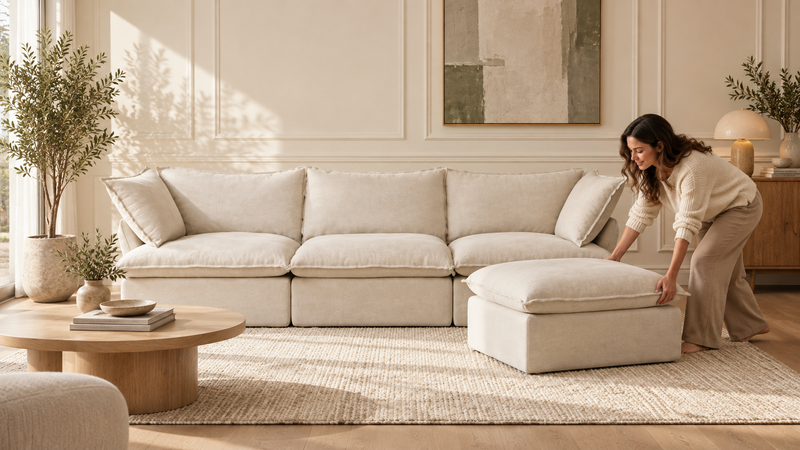
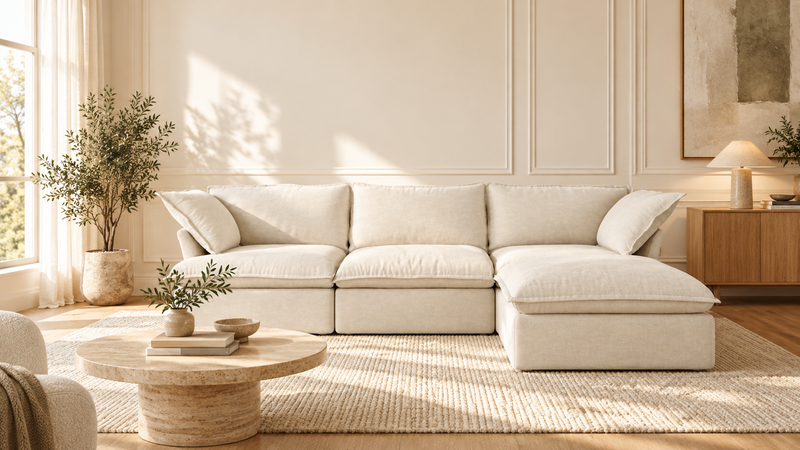
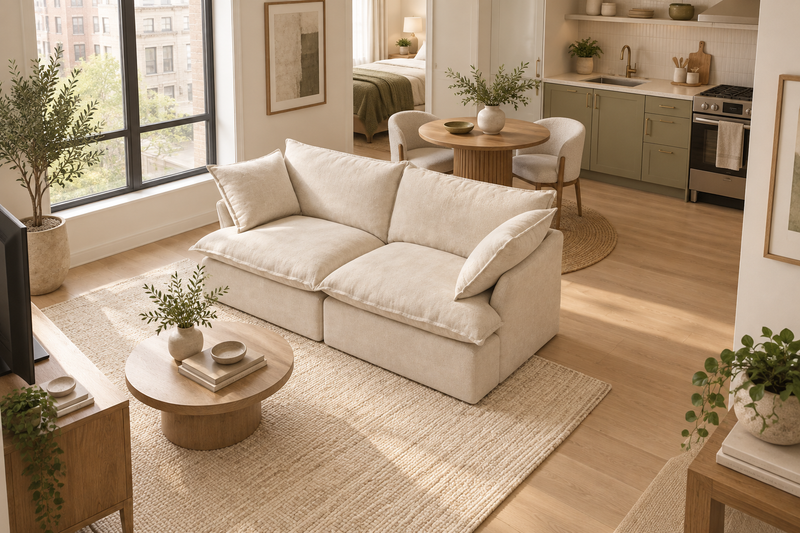
One example is the Sofie Home CloudComfort™ Modular Sofa, which combines deep seating, machine-washable slipcovers, modular flexibility, and durable construction. These practical features contribute to long-term value by making the sofa easier to maintain and adapt as your needs change.
Questions to Ask Before Buying Any Sofa
Before making a purchase, take a few minutes to evaluate the sofa beyond its appearance.
These questions can help determine whether you're paying for genuine quality or simply a higher price tag.
Construction
- Is the frame made from kiln-dried hardwood or another durable material?
- How is the frame reinforced?
- What type of suspension system is used?
- Is the construction designed for years of everyday use?
Comfort
- What type of foam fills the cushions?
- Will the cushions maintain their shape over time?
- Is the seat depth comfortable for your household?
- Does the back provide adequate support?
Upholstery
- Is the fabric durable enough for your lifestyle?
- Are the covers removable?
- Can the covers be machine washed?
- Is the fabric suitable for pets or children?
Long-Term Ownership
- What does the warranty cover?
- Can replacement parts be ordered?
- Are additional modules available?
- Can the sofa grow with your family?
Overall Value
- How long do you realistically expect to own the sofa?
- How often will it be used?
- Will maintenance be simple?
- Does the overall ownership experience justify the purchase price?
Answering these questions often provides a clearer picture of value than comparing prices alone.
Final Verdict
So, is an expensive sofa worth it?
In many cases, yes—but only if you're paying for genuine quality rather than branding alone.
A well-made sofa is one of the hardest-working pieces of furniture in your home. It supports daily routines, hosts family gatherings, survives movie nights, accommodates guests, and often becomes the place where people spend the most time together.
Because of that, construction quality, comfort, and durability matter far more than a trendy design or a famous name.
For homeowners planning to keep their furniture for many years, investing in a premium sofa often delivers better long-term value than replacing a cheaper sofa every few years. Features like high-density cushions, durable upholstery, modular flexibility, and machine-washable covers don't just improve comfort—they can reduce maintenance, extend the sofa's lifespan, and make ownership more enjoyable.
That doesn't mean everyone needs a luxury-priced sofa. If you're furnishing a temporary home, decorating on a tight budget, or expecting your living situation to change soon, a more affordable option may be the smarter financial decision.
Ultimately, the best sofa isn't necessarily the most expensive one. It's the one that offers the right balance of quality, comfort, durability, and practicality for your lifestyle.
When evaluating your options, think beyond the upfront price and consider the years of use you'll get in return. That's where true value is found.
Frequently Asked Questions
Is a $3,000 sofa worth it?
It can be, provided the sofa includes high-quality construction, durable upholstery, supportive cushions, and practical ownership features such as washable covers or replaceable components. If it lasts significantly longer than a cheaper alternative, the long-term value may justify the higher price.
How long should an expensive sofa last?
A well-built premium sofa can often last 10 to 20 years or more, depending on its construction, materials, usage, and maintenance. Sofas with durable frames and replaceable components may remain functional even longer.
What's the biggest difference between a cheap and expensive sofa?
The biggest differences are usually found in the frame, cushions, upholstery, and long-term durability. Premium sofas generally maintain their comfort and appearance longer while offering better overall ownership experiences.
Are luxury sofas always better?
Not necessarily. Some luxury brands offer exceptional craftsmanship, while others charge higher prices because of designer branding or exclusivity. It's important to evaluate the materials, construction, warranty, and maintenance features rather than relying on price alone.
Do expensive sofas hold their value?
Most sofas are not purchased as financial investments and generally depreciate over time. However, a high-quality sofa may provide better value through years of reliable use, reducing the need for frequent replacements.
Are modular sofas worth the extra cost?
For many homeowners, yes. Modular sofas provide flexibility that traditional sofas cannot. They can often be expanded, rearranged, repaired, or refreshed with replacement covers, helping them adapt as your home and lifestyle evolve.
Should families invest in a premium sofa?
Families who use their sofa every day often benefit from higher-quality construction and easier maintenance. Features like washable slipcovers, durable fabrics, and modular designs can make a premium sofa a more practical long-term investment.