Sofie Home Complaints: Honest Pros, Cons & Common Questions

Furniture is one of the few purchases that immediately changes how a home feels. A sofa is where people decompress after work, spend weekends, host friends, watch movies, nap with pets, and slowly build routines around everyday life. Unlike smaller online purchases, a couch becomes part of the rhythm of your home almost immediately.
A sofa is not just another home product. It becomes part of your daily routine almost immediately. It is where people decompress after work, host friends, binge-watch shows on weekends, nap on Sunday afternoons, and slowly build everyday life around. Unlike smaller purchases, furniture affects how a home feels emotionally as much as it affects how a room looks visually.
At Sofie Home, we believe customers should understand both the strengths and tradeoffs of modular washable furniture before ordering. Because the reality is, many complaints online are not usually about catastrophic product problems. More often, they come from expectation gaps, especially around shipping timelines, softness, assembly, and how washable modular upholstery behaves compared to traditional showroom couches.
This guide is meant to explain those differences honestly and clearly. Not to dismiss customer frustrations. Not to pretend every experience is perfect. But to help buyers understand what kind of ownership experience modular furniture is actually designed to create.
Quick Summary
If you only read one section of this article, here is what matters most:
Sofie Home sofas are intentionally designed around relaxed comfort, modular flexibility, and washable practicality. They are not designed to feel like rigid formal sectionals or ultra-structured showroom couches.
Most complaints online usually revolve around four areas:
- freight delivery timelines
- firmness and softness expectations
- modular assembly
- washable-cover maintenance
For many customers, those same features eventually become the reason they end up loving the sofa long term.
The key is understanding the category before buying.
What Sofie Home Is Actually Designed For
One of the biggest mistakes people make while researching furniture online is assuming all sofas are trying to achieve the same experience.
They are not. A modular washable sofa serves a completely different lifestyle than a formal leather sectional or a highly tailored designer couch. Understanding that difference explains a huge percentage of online complaints across the modular furniture category.
Sofie Home Prioritizes Relaxed Everyday Comfort
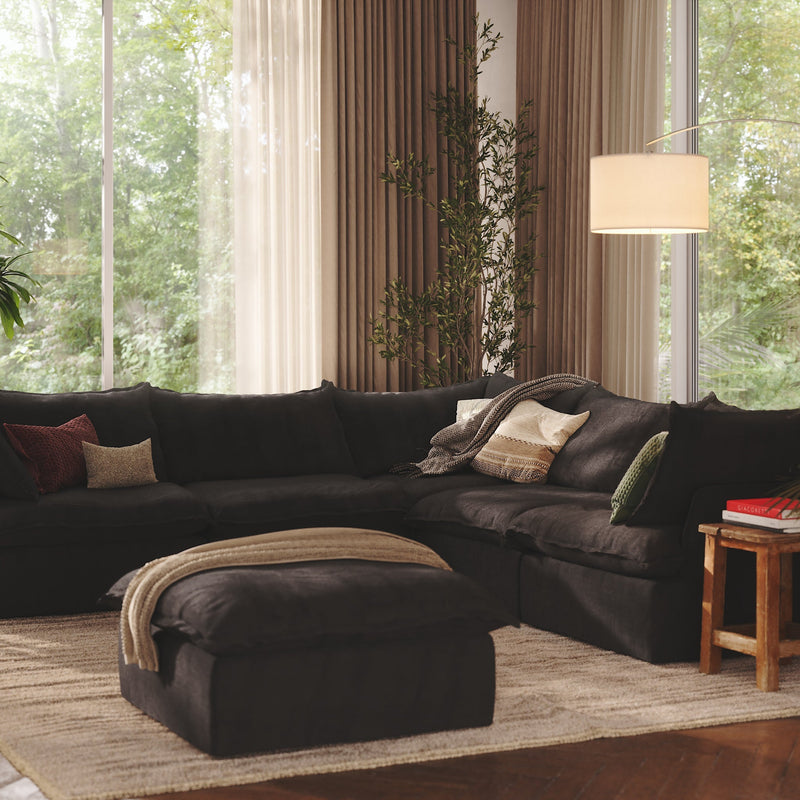
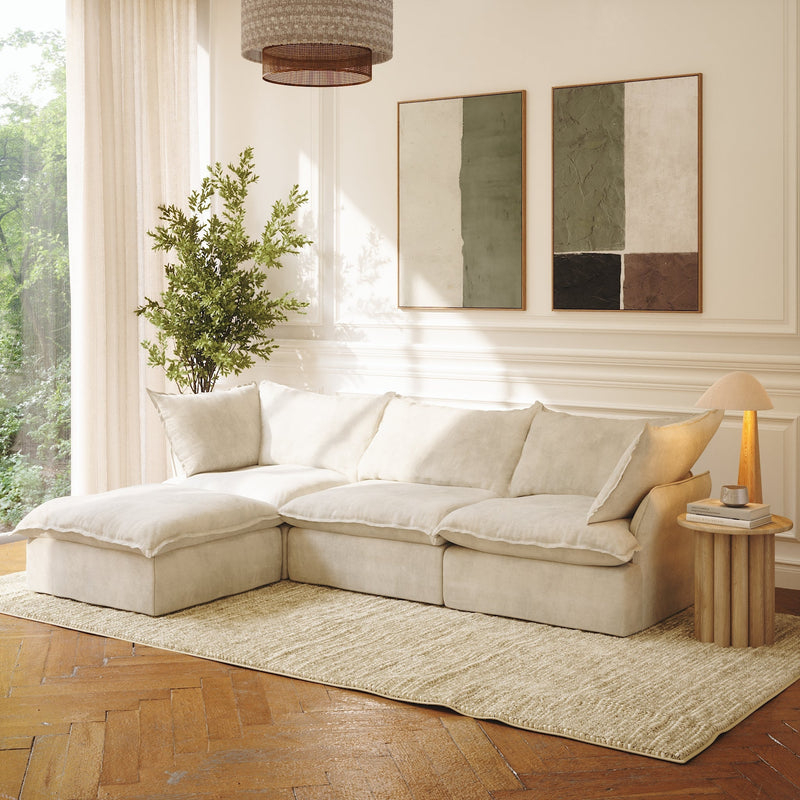
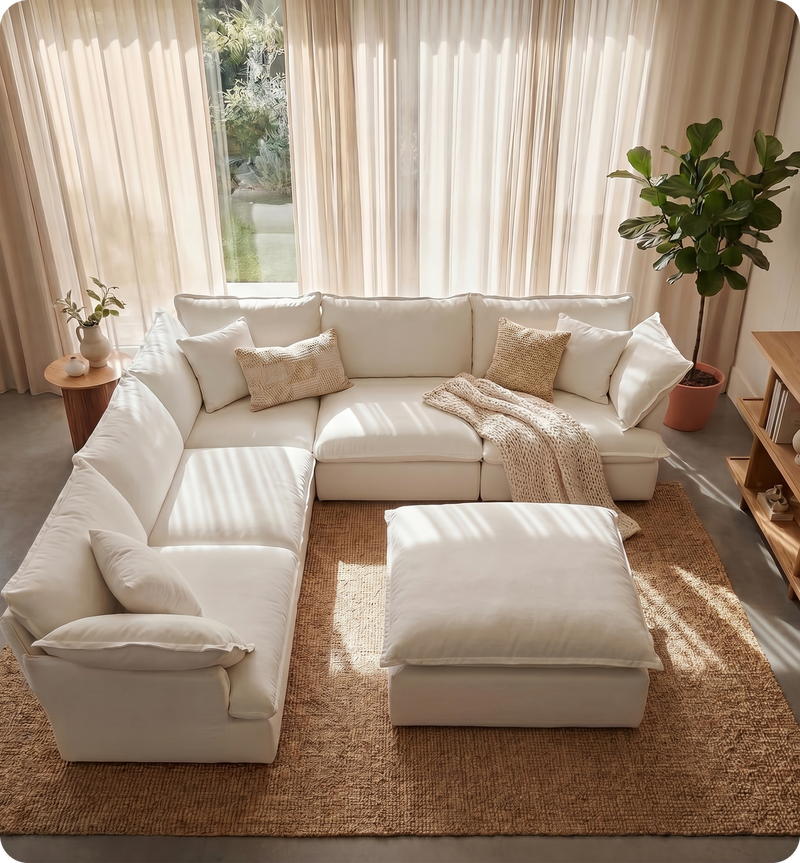
One of the most important things to understand about Sofie Home is that these sofas are intentionally designed around lounging rather than formal seating. The overall experience leans softer, deeper, and more relaxed than traditional structured sectionals, which is exactly why some customers immediately love them while others need time adjusting. Understanding this comfort philosophy explains a large percentage of both the positive reviews and the complaints surrounding modular furniture.
-
The seating is intentionally deep, soft, and lounge-oriented.
Sofie Home sofas are designed for people who genuinely live on their couch, movie nights, afternoon naps, reading sessions, long conversations, and lazy weekends included. The overall seating experience leans relaxed and casual rather than upright and formal, which naturally feels very different from traditional structured furniture.
-
The sofas are built around “real living” instead of showroom presentation.
Many traditional sectionals are designed to look perfectly structured at all times. Sofie Home prioritizes comfort-first living instead, which creates a softer silhouette and a more relaxed visual appearance. The goal is to create a sofa people want to use every day, not just admire from across the room.
-
The modular layouts are designed for flexibility over permanence.
Customers can rearrange sections, expand configurations, and adapt the layout to different spaces over time. This becomes especially valuable for apartment living, growing families, or customers who move more frequently and need furniture that can evolve with their space.
Washable Practicality Is a Huge Part of the Experience
One of the biggest reasons customers choose Sofie Home in the first place is because washable furniture changes the relationship people have with their sofa. Traditional upholstery often creates a “protect it at all costs” mindset, especially in homes with pets, children, or heavy daily use. Modular washable systems are designed differently. Instead of treating the sofa like a delicate showroom piece, the goal is to create furniture people can comfortably live with every day.
-
The removable covers are designed for everyday life, not occasional use.
Traditional upholstery often creates stress around spills, stains, and wear. Washable covers fundamentally change that ownership experience because customers know the fabric can actually be removed and cleaned rather than permanently protected at all costs.
-
Pet owners and families tend to benefit the most from modular washable systems.
High-traffic homes naturally create more wear over time. Dogs jump on couches. Kids spill drinks. Guests use the living room constantly. The washable-cover system becomes especially valuable in homes where the furniture is genuinely used every day rather than preserved for appearance.
-
Washable upholstery naturally behaves differently than fixed upholstery.
Because the covers are removable, they tend to feel and look softer compared to permanently upholstered furniture. Customers expecting ultra-tailored luxury upholstery sometimes initially interpret this as a flaw when it is actually part of how removable-cover systems function.
Why “Sofie Home Complaints” Often Come Down to Expectations
One thing we consistently notice while reviewing customer feedback across the furniture industry is how often negative experiences begin with expectation mismatches rather than serious defects.
That distinction matters.
The same sofa can receive completely opposite reviews depending on what the buyer expected before delivery.
Many Complaints Are Actually Preference-Based
One of the most important things to understand while reading furniture reviews is that comfort is not universal. Unlike electronics or appliances, sofas are deeply tied to personal lifestyle preferences, body posture, daily habits, and even how someone emotionally wants their home to feel. That is why the exact same sofa can receive completely opposite reviews from different customers.
This is especially true within the modular furniture category, where softer seating and relaxed silhouettes are intentionally part of the design philosophy. In many cases, what one customer considers a “problem” is actually the exact reason another customer bought the sofa in the first place.
-
Some customers expect formal seating and receive lounge seating instead.
Sofie Home sofas are intentionally soft and deep. Customers expecting rigid posture support may initially describe the sofa as “too soft,” while buyers specifically looking for cozy, sink-in comfort often describe the exact same sofa as extremely comfortable.
-
Comfort is one of the most subjective parts of furniture ownership.
A customer who values upright seating for posture or entertaining may naturally prefer structured sectionals. Meanwhile, customers who prioritize movie nights, lounging, and relaxed living often strongly prefer modular seating instead.
-
Online furniture shopping removes the physical showroom experience.
When customers buy online, they interpret comfort through videos, photography, reviews, and social content rather than sitting on the sofa themselves. That naturally increases the importance of setting realistic expectations before ordering.
Modular Furniture Behaves Differently Than Traditional Furniture
A large percentage of complaints surrounding modular sofas come from customers expecting them to behave exactly like traditional furniture. But modular furniture is built around a completely different set of priorities. The category was created to solve modern living problems, apartment accessibility, flexible layouts, washable maintenance, and easier transportation, rather than simply replicating the experience of oversized showroom sectionals.
That difference affects nearly every part of ownership, from delivery and setup to comfort and long-term use. Understanding those tradeoffs early usually helps customers evaluate the product more realistically and avoid mismatched expectations later.
-
The category itself is designed around different priorities.
Modular furniture emphasizes flexibility, apartment accessibility, washable maintenance, and rearrangeable layouts. Traditional furniture often prioritizes rigid structure, fully fixed upholstery, and formal presentation instead.
-
The setup process feels different from fully assembled furniture.
Sofie Home sofas arrive in sections designed for easier transportation and movement through hallways, elevators, and tighter spaces. Customers accustomed to white-glove showroom delivery sometimes underestimate how different modular setup feels.
-
The ownership experience is intentionally more practical.
Sofie Home sofas are designed around how people actually live, pets included, rather than how furniture looks in untouched showrooms. That practical focus influences everything from fabric design to seating softness and modular construction.
Delivery Delays: The Most Common Complaint Across the Furniture Industry
If there is one complaint shared across almost every online furniture brand, it is shipping delays.
And honestly, that frustration is understandable.
Furniture purchases are emotional purchases. Customers are often redesigning an entire room, replacing an old couch, moving into a new home, or preparing for guests while waiting for delivery.
Waiting naturally feels longer when the purchase affects daily life.
Oversized Furniture Shipping Works Very Differently From Standard E-Commerce
Oversized furniture moves through a much more complex logistics process than smaller online purchases. Sofas require freight transportation, warehouse coordination, regional handling, and scheduled final-mile delivery, all of which naturally create longer and less predictable timelines.
This becomes even more noticeable with modular furniture because the sofa ships in multiple sections rather than one fully assembled piece. Understanding how these delivery systems actually work helps explain why shipping complaints are so common across the entire furniture industry, not just Sofie Home.
-
Furniture moves through freight systems rather than regular parcel networks.
Unlike smaller online purchases, sofas require warehouse coordination, freight transportation, and final-mile delivery handling. That process naturally moves slower than standard courier systems designed for smaller packages.
-
Modular sofas typically arrive in multiple shipments.
Because each section ships separately, customers may receive cushions, armrests, covers, and bases at different times. While this can initially feel confusing, it is actually common throughout the modular furniture industry.
-
Final-mile delivery scheduling often creates delays customers do not expect.
Once the shipment reaches the local delivery hub, appointments often need to be coordinated separately. This stage is where many furniture deliveries experience timeline shifts or scheduling delays.
Most Delays Are Logistical Rather Than Serious Problems
One thing many customers do not realize until after ordering furniture online is how many moving parts exist behind the scenes of oversized freight delivery. Unlike smaller online purchases that move through relatively streamlined parcel systems, furniture orders involve manufacturing schedules, warehouse coordination, freight routing, regional delivery hubs, and appointment-based final-mile delivery.
Because of that complexity, delays are often logistical rather than catastrophic. In many cases, the order itself is not “lost” or missing at all, it is simply moving through a slower or more fragmented stage of the freight process. Understanding that distinction helps explain why shipping complaints are so common across the furniture industry as a whole.
-
Popular configurations and fabrics occasionally experience backorders.
Neutral tones and washable fabrics tend to sell especially quickly during promotions or seasonal demand spikes. In many cases, delays happen because a specific cover or module temporarily requires additional production time.
-
Freight systems are highly sensitive to weather and seasonal congestion.
Large-item delivery networks naturally move slower during holidays, storms, and peak moving seasons. Oversized shipping logistics are simply more complex than standard online delivery systems.
-
Tracking updates can sometimes feel inconsistent across multiple boxes.
Since modular orders ship separately, some packages update faster than others. Customers occasionally assume missing items when the remaining sections are simply moving through a different stage of transit.
Customers Usually Have Better Experiences When They Expect Flexibility
One of the biggest differences between satisfied furniture customers and frustrated ones is often not the product itself, but the expectations surrounding the delivery process. Oversized furniture shipping is naturally slower, less linear, and more dependent on freight coordination than standard online shopping. Customers who understand that early usually navigate delays and tracking updates with far less stress.
That does not mean delays are enjoyable. But approaching furniture delivery with the right mindset often prevents temporary logistical slowdowns from feeling much larger than they actually are.
-
Tracking each shipment individually reduces confusion significantly.
Modular furniture often generates several tracking numbers, and not every box moves at the same pace. Monitoring each shipment separately creates a clearer understanding of overall delivery progress. -
Furniture delivery requires a different mindset than normal online shopping.
Oversized freight systems naturally move slower than parcel carriers. Customers who approach delivery with flexibility and realistic expectations generally experience much less stress during delays. -
Early communication with support helps prevent unnecessary frustration.
If tracking stops updating or a shipment appears delayed for several days, reaching out early often resolves confusion faster. Small delays tend to feel larger when communication becomes unclear.
Firmness and Comfort Expectations: The Biggest Dividing Line
Comfort is probably the most subjective part of buying any sofa online.
And within modular furniture, softness becomes one of the biggest reasons customers either love or dislike the ownership experience.
Sofie Home Sofas Are Intentionally Soft and Relaxed
One of the most important things to understand before buying a Sofie Home sofa is that the comfort experience is intentionally different from traditional showroom furniture. These sofas are designed around relaxed everyday living rather than rigid posture seating, which naturally creates a softer and more casual feel from the moment customers sit down.
This is also one of the biggest reasons reviews can vary so dramatically. Customers looking for deep, cozy lounge seating often love the softness immediately, while buyers expecting firmer and more structured support sometimes need time adjusting to the overall feel. In many cases, the “too soft” complaints online are less about quality and more about personal comfort preference.
-
The seating is designed around lounging rather than formal posture support.
These sofas are built for stretching out, curling up, and spending long hours comfortably. Customers who enjoy relaxed seating often adapt very well to this style of furniture because it feels intentionally cozy and casual.
-
The deeper seat depth changes how the sofa feels immediately.
Compared to compact sectionals, modular sofas naturally encourage a more laid-back posture. This becomes one of the main reasons customers either instantly love the seating experience or need time adjusting to it.
-
The comfort philosophy is intentionally different from traditional showroom furniture.
Sofie Home prioritizes softness and relaxed comfort over rigid structure and upright support. Understanding that distinction before buying makes a huge difference in long-term satisfaction.
Customers Coming From Traditional Furniture Often Need Adjustment Time
Customers who have spent years using firmer leather sectionals, compact apartment couches, or highly structured living room furniture often experience modular seating very differently during the first few days of ownership.
That adjustment period is actually very common. Sofie Home sofas are intentionally designed around relaxed comfort and deeper seating, which naturally creates a softer and more casual experience than formal showroom furniture. In many cases, customers who initially feel uncertain about the softness end up appreciating the comfort much more after living with the sofa for several weeks.
-
Structured sofas create very different seating expectations.
Customers transitioning from firmer leather sectionals or formal living room furniture often initially feel surprised by the softer cushions and deeper seating depth.
-
Softness does not automatically mean poor support.
Many customers associate firmness with “quality” simply because traditional furniture has conditioned them to expect rigid support. In reality, softer lounge seating is often a completely intentional comfort preference rather than a product flaw.
-
Many customers end up preferring the sofa after living with it longer.
Once the seating becomes familiar and the cushions settle slightly, many buyers describe the experience as significantly more comfortable than they initially expected.
Cushion Softness Naturally Evolves Over Time
Just like mattresses, lounge chairs, or even leather shoes, cushions naturally adapt over time as the materials settle and respond to everyday pressure. This is especially noticeable with softer modular seating because the comfort philosophy already leans more relaxed and lounge-oriented from the beginning.
As a result, the sofa customers experience on day one is not always exactly how the sofa will feel several weeks later. Many buyers initially evaluate the seating immediately after unboxing while the cushions are still compressed from shipping and the overall feel is still unfamiliar. Once the materials settle and the customer adapts to the seating style, the comfort often feels significantly more natural.
-
Like most upholstered furniture, the cushions gradually break in.
Foam naturally adapts to repeated use over time. That means the sofa may feel slightly softer and more relaxed several weeks after delivery compared to day one.
-
The seating experience becomes more “lived-in” over time.
Many customers initially evaluate the sofa immediately after setup while the cushions are still compressed and unfamiliar. Long-term comfort usually feels much more natural after regular daily use.
-
This break-in period is normal for upholstered furniture.
Sofas rarely feel exactly the same after months of use as they did immediately after unboxing. The adjustment process is part of how most upholstered seating behaves over time.
Assembly: Easier Than Traditional Modular Systems, But Still a Process
Assembly is another area where expectations matter significantly.
Traditional sofas often arrive fully assembled. Modular furniture prioritizes transportation efficiency, apartment accessibility, and flexible layouts instead.
That naturally shifts some setup responsibility to the customer.
What Setup Actually Looks Like
Sofie Home sofas are intentionally designed to ship in manageable sections rather than one oversized piece, which makes transportation through apartments, hallways, elevators, and tighter entryways significantly easier. But that convenience also means customers become part of the final setup process once the furniture arrives.
For most people, assembly is relatively straightforward and much easier than they initially expect. At the same time, modular setups can feel slightly overwhelming during the first hour of unboxing simply because there are multiple sections, cushions, covers, and connectors involved. Understanding what the process actually looks like ahead of time usually makes the experience feel much smoother and more manageable.
-
Most assembly is designed to be tool-free and relatively straightforward.
Customers generally position the modules, attach legs, connect sectional pieces, adjust covers, and place cushions into position. For most layouts, the process is manageable without professional installation.
-
Larger configurations naturally require more time and space.
Bigger sectionals involve more modules, more connectors, and more adjustments during setup. Customers sometimes underestimate how much space and time the process requires during unboxing.
-
The sofa often looks compressed immediately after delivery.
Cushions and covers are compressed during shipping and need time to fully expand. The final appearance usually improves significantly over the first few days after setup.
Most Setup Complaints Come From Similar Situations
Unlike showroom furniture that arrives fully assembled and professionally staged, modular sofas arrive compressed, separated into sections, and partially unsettled from transit. During those first few hours after setup, the sofa often does not yet look or feel exactly like the final styled product photos customers saw online. Most setup-related concerns improve significantly once the modules are fully aligned, the cushions expand, and the furniture settles naturally into the room.
-
Connectors are not fully aligned yet.
Slightly misaligned sections can make the sofa feel loose or uneven initially. Once properly secured, the structure generally feels much more cohesive and stable.
-
Cushions are still expanding after transit compression.
Immediately after unboxing, cushions may appear flatter or softer than expected. Most modular cushions continue expanding naturally over time.
-
Customers expect showroom appearance immediately after setup.
Professional product photography is fully styled and settled before being photographed. Real-life furniture setups naturally look less polished during the first few hours after assembly.
Modular Furniture Prioritizes Practicality Over Permanence
Traditional furniture is often designed around permanence. Large sectionals are typically built to stay in one configuration, in one room, for many years without changing much over time. Modular furniture approaches the living room differently. Instead of prioritizing rigid structure and fixed layouts, the category focuses heavily on adaptability, transportation efficiency, and long-term flexibility for real-life living situations.
-
The modular system is designed to make transportation easier.
Large one-piece sectionals can be difficult to move through apartments, elevators, and narrow hallways. Modular sections solve that problem much more effectively.
-
Rearrangeability becomes more valuable over time.
Many customers initially underestimate how useful modular flexibility becomes after moving, redesigning rooms, or adapting the layout for changing needs.
-
The system is intentionally designed for adaptability.
Sofie Home furniture is built around long-term practicality rather than rigid permanence. That flexibility is one of the defining features of the modular category itself.
Washable Covers: The Biggest Advantage And the Biggest Misunderstanding
Washable covers are one of the defining features of Sofie Home.
They are also one of the biggest reasons customers search for complaints online.
Not because washable upholstery is inherently problematic, but because removable systems naturally behave differently than permanently upholstered furniture.
Washable Upholstery Naturally Looks More Relaxed
One of the most common misunderstandings customers have when buying washable furniture for the first time is expecting removable upholstery to behave exactly like permanently upholstered showroom furniture. But washable systems are intentionally built differently. Because the covers are designed to be removed, cleaned, and reinstalled repeatedly over time, the fabric naturally has more flexibility and movement compared to tightly fixed upholstery.
That softer and more relaxed appearance is not necessarily a flaw, it is part of the design tradeoff that makes washable furniture practical for everyday living. For many customers, especially families and pet owners, the convenience eventually outweighs the desire for perfectly rigid tailoring.
-
Removable covers behave differently than fixed upholstery systems.
Permanent upholstery is tightly attached to the furniture frame, while washable slipcovers are designed to stretch, move, and be removed repeatedly. This naturally creates a softer and more relaxed visual appearance.
-
Wrinkles and creases are normal after shipping.
Fabric compression during transit often creates wrinkles immediately after unboxing. In most cases, these soften naturally through regular use, steaming, and cushion expansion.
-
The softer presentation is part of the category itself.
Washable systems prioritize flexibility and maintenance practicality rather than ultra-rigid tailoring. For many customers, that tradeoff quickly becomes worthwhile during everyday use.
Families and Pet Owners Usually Appreciate Washable Covers Most
Instead of treating the sofa like something fragile that needs constant protection, customers often feel more comfortable actually using it. That shift becomes especially noticeable in busy homes where the living room functions as a true everyday space rather than a formal display area.
-
Washable upholstery changes how people interact with furniture.
Instead of constantly protecting the sofa from spills, stains, or pet hair, customers can focus more on actually living with it comfortably.
-
Light-colored furniture becomes much more realistic long term.
Many customers feel more confident choosing brighter fabrics because they know the covers can be cleaned if necessary. That flexibility changes how practical lighter upholstery feels in everyday homes.
-
High-traffic living rooms naturally benefit from easier maintenance.
Sofie Home is designed around real-life living rather than occasional formal use. Washable maintenance becomes especially valuable when the sofa is genuinely used every day.
What “Sofie Home Complaints” Usually Leaves Out
Reddit can be useful for seeing raw customer experiences. But complaint threads naturally amplify frustration because people are far more likely to post publicly when something goes wrong than when everything works smoothly.
That imbalance exists across almost every furniture brand online.
Complaint Threads Usually Focus on Emotionally Frustrating Moments
One thing that is important to remember while reading online complaint threads is that people are far more likely to post publicly during stressful or disappointing moments than during calm everyday ownership. This is especially true with furniture because sofas are expensive, highly personal purchases that affect daily routines, home comfort, and major life transitions all at once.
As a result, many complaint discussions capture customers during the most emotionally frustrating part of the ownership experience, delayed shipping, unfinished setup, or the first few days of adjusting to a completely different seating style. Those moments are real and understandable, but they also do not always reflect what the long-term ownership experience eventually becomes after the sofa settles into everyday life.
-
Shipping delays create strong emotional reactions.
Furniture purchases are closely tied to daily routines and major life moments. Waiting longer than expected naturally feels frustrating when someone is redesigning their space around the delivery.
-
Setup frustrations happen during the least polished stage of ownership.
Most complaints occur immediately after unboxing while the sofa is still compressed, partially assembled, or unfinished-looking. This often looks very different from the final settled appearance weeks later.
-
Comfort mismatches are highly personal.
Customers expecting structured posture support may dislike soft modular seating, while another customer buys the exact same sofa specifically because it feels relaxed and cozy.
Long-Term Ownership Is Usually More Balanced Than Initial Reactions
Sofas rarely feel completely “finished” during the first few days after delivery, especially modular furniture that arrives compressed, partially assembled, and unfamiliar to the customer. Initial reactions are usually formed during the least settled stage of ownership, before the cushions expand fully, before the room is styled around the sofa, and before daily routines naturally develop around the space.
As a result, long-term ownership often feels far more balanced than early impressions suggest. Once the furniture settles into everyday life, many customers begin appreciating the same features that initially felt unfamiliar during setup or delivery.
-
Most homes adapt around the sofa over time.
Once rugs, lighting, pillows, and room styling come together, the sofa typically feels much more integrated into the space. Furniture rarely looks completely finished on day one.
-
Customers often adjust naturally to the seating experience.
Softer modular seating can initially feel unfamiliar to buyers coming from structured sectionals. Over time, many customers end up preferring the more relaxed comfort.
-
Washable practicality becomes more valuable during daily use.
Pet owners and families especially tend to appreciate removable covers much more after living with the sofa for several months rather than several days.
Before You Buy
Before ordering any modular sofa online, there are a few things we genuinely recommend doing first.
Watch Real Customer Videos
Sofas naturally look and feel different in everyday homes than they do in professionally styled studio environments, and customer-created videos usually provide the clearest understanding of what real-life ownership actually looks like.
This becomes especially important with modular furniture because the category behaves differently from traditional sectionals. Seeing how real customers assemble, style, and live with the sofa often creates much more realistic expectations around comfort, scale, softness, and everyday appearance before ordering.
-
UGC content provides the clearest expectations.
Customer walkthroughs and ownership videos show the sofa in real homes rather than perfectly staged studios. This gives buyers a much better understanding of scale, softness, and everyday appearance.
-
Real-life setups are more useful than polished photography alone.
Professional product images use controlled lighting, large spaces, and editorial styling. Everyday homes naturally look more lived-in and realistic.
-
Ownership videos help buyers understand the category itself.
Watching real people assemble, style, and use modular furniture creates a much more accurate understanding of the ownership experience than isolated complaint headlines alone.
Measure More Carefully Than You Think
Good measuring is not just about checking whether the sofa technically fits. It is also about understanding how people will move around it, where the coffee table will sit, how the rug frames the room, and whether the sofa still leaves enough breathing room for everyday use.
-
Deep seating often feels larger in person.
Modular sofas prioritize relaxed comfort, which naturally creates larger proportions than traditional compact sectionals. Exact measurements matter more than visual assumptions.
-
Room layout matters just as much as dimensions.
Walkways, coffee tables, rugs, and movement paths all affect how the sofa feels inside a room. Thinking through the overall layout prevents many sizing surprises later.
-
Photography can distort scale significantly.
Wide-angle product photography often makes furniture appear smaller or more spacious than it feels in reality. Measurements are always more reliable than photos alone.
Final Verdict
Sofie Home is not trying to be a traditional showroom sofa.
And honestly, understanding that is the key to understanding most of the complaints online.
These sofas are designed around a very specific lifestyle: relaxed living, washable practicality, modular flexibility, and comfort-first everyday use. For customers expecting ultra-firm formal seating or perfectly rigid luxury upholstery, the experience may initially feel different than anticipated. But for buyers looking for deep seating, casual comfort, and furniture designed for real homes rather than untouched showrooms, that same difference often becomes the biggest advantage.
Most “sofie home complaints” ultimately come down to four realities of the modular furniture category:
- freight delivery moves slower than standard e-commerce shipping
- softer seating is subjective
- modular assembly requires some setup
- washable upholstery naturally behaves differently than fixed upholstery
None of those are necessarily flaws on their own. They are tradeoffs tied directly to the features many customers specifically want.
We Think Sofie Home Is Best For:
- customers who prioritize lounging and relaxed comfort
- families with children
- pet owners
- apartment living
- customers who value washable practicality
- people who want flexible modular layouts
- buyers who prefer casual modern interiors over formal showroom styling
These are sofas designed to be used heavily and lived in comfortably, not simply styled for appearance.
Sofie Home May Not Be Ideal For:
- customers who strongly prefer firm upright seating
- buyers expecting ultra-tailored luxury upholstery
- shoppers wanting fully assembled white-glove furniture with zero setup
- people who dislike softer, more relaxed silhouettes
- customers expecting Amazon-style delivery timelines for oversized freight furniture
Understanding those expectations before ordering usually creates a much better ownership experience long term.
Our Overall Take
If you approach Sofie Home expecting a soft, modular, washable sofa designed around real-life comfort, the experience will likely make far more sense. The washable covers become practical. The softer seating feels intentional. The modular layouts become genuinely useful. And the relaxed aesthetic starts to feel more natural inside everyday homes than overly formal showroom furniture.
That does not mean every customer experience will be perfect. Furniture is personal, shipping is complex, and comfort preferences vary heavily from person to person.
But overall, most complaints surrounding Sofie Home are less about major product failures and more about understanding the realities of modular washable furniture before buying.
And for the right customer, those same “complaints” often become the exact reason they end up loving the sofa long term.
Need Help? Talk to Support
If you have questions about:
- delivery timelines
- configurations
- dimensions
- firmness expectations
- assembly
- washable covers
- replacement parts
- maintenance
- existing orders
Our support team is here to help. Because the goal is not simply to sell furniture. It is to help customers understand what kind of ownership experience actually fits the way they live. And that is exactly what we continue building at Sofie Home.