How to Style a Modular Sofa Like an Interior Designer

A modular sofa is often the largest piece of furniture in a living room. It naturally becomes the focal point of the space, setting the tone for everything from the room's color palette to its overall atmosphere.
But simply placing a beautiful modular sofa in your home doesn't automatically create a designer-looking space.
The difference between an average living room and one that feels polished often comes down to styling. The right pillows, rug, coffee table, lighting, artwork, and accessories work together to make the room feel balanced, intentional, and inviting.
The good news is that you don't need a professional interior designer—or an unlimited budget—to achieve this look.
By following a few timeless design principles, you can transform your modular sofa into the centerpiece of a beautiful, comfortable living room that feels professionally designed while still reflecting your personal style.
In this guide, we'll show you exactly how to style a modular sofa like an interior designer, with practical tips that work for modern, traditional, minimalist, Scandinavian, and family-friendly homes alike.
Quick Styling Checklist
Before we dive into the details, here's a simple checklist designers often use:
✅ Start with the right sofa layout.
✅ Anchor the space with a properly sized rug.
✅ Layer decorative pillows.
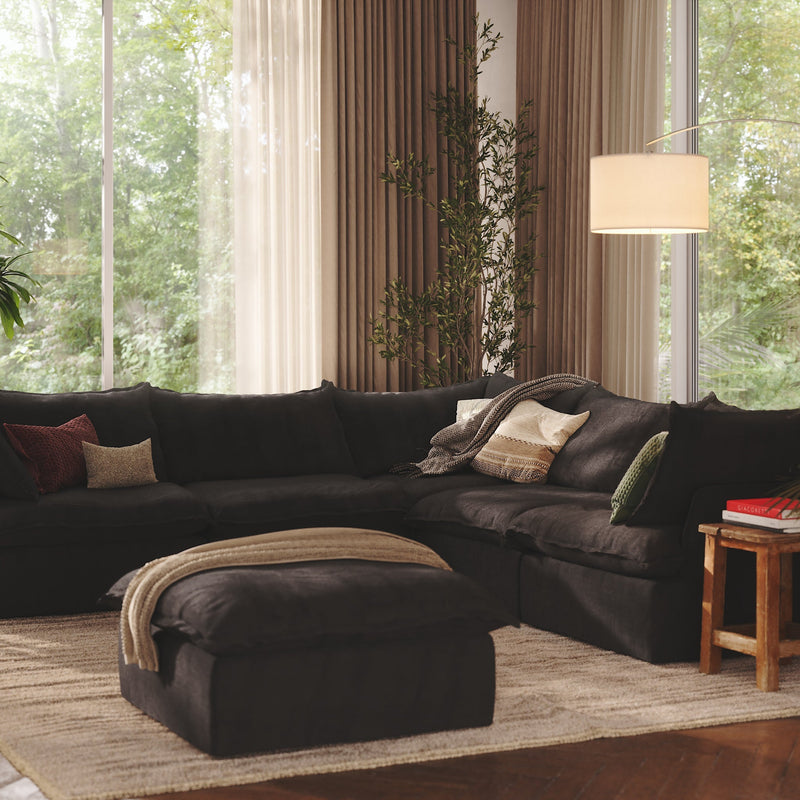
✅ Add a cozy throw blanket.
✅ Choose the right coffee table.
✅ Balance lighting.
✅ Include natural textures.
✅ Use artwork to create height.
✅ Add plants for warmth.
✅ Keep styling simple and intentional.
These small details create a room that feels thoughtfully designed instead of cluttered.
Why Modular Sofas Are Easy to Style
Unlike traditional sofas, modular sofas give you much more flexibility.
Because they're made up of individual sections, they can adapt to different room sizes, seating needs, and decorating styles.
This flexibility allows your living room to evolve over time without requiring entirely new furniture.
Whether you're furnishing a small apartment or a large open-concept home, a modular sofa provides an excellent foundation for creating a cohesive design.
Step 1: Start With the Right Layout
Interior designers rarely begin with accessories.
They begin with furniture placement.
The way your modular sofa is arranged determines how the entire room feels.
Think About Function First
Ask yourself:
- How does your family use the room?
- Do you entertain often?
- Is the television the main focal point?
- Do you want conversation-focused seating?
- Is this an open-concept space?
The answers will guide the ideal configuration.
Popular Modular Layouts
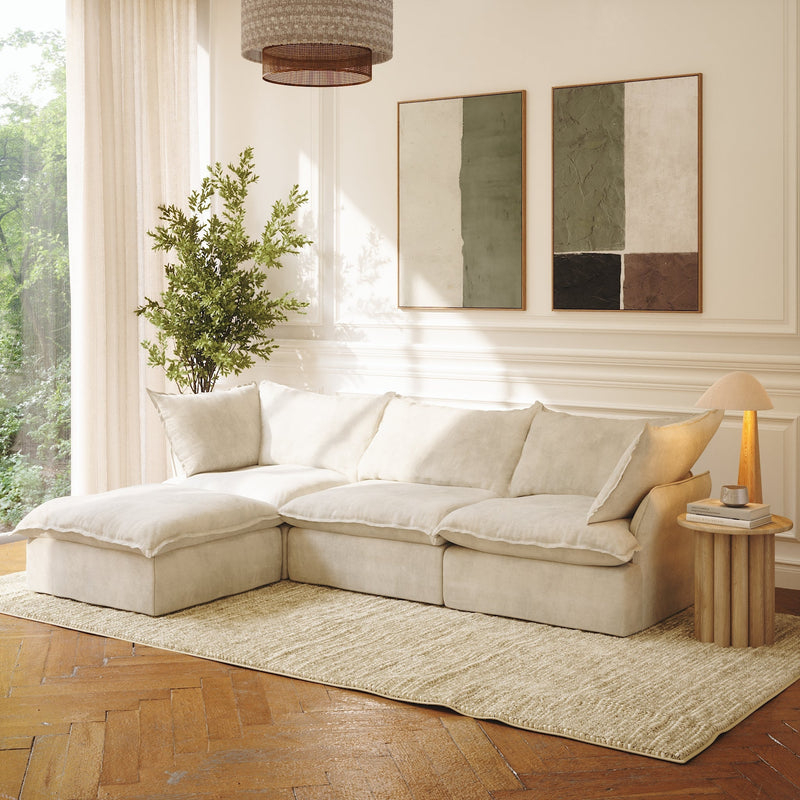
L-Shaped Layout
Perfect for:
- Family movie nights
- Medium-sized living rooms
- Open floor plans
- TV-centered spaces
Creates a comfortable and inviting seating area while maintaining open traffic flow.
U-Shaped Layout
Ideal for:
- Large families
- Entertaining guests
- Spacious homes
Encourages conversation while creating a luxurious lounge atmosphere.
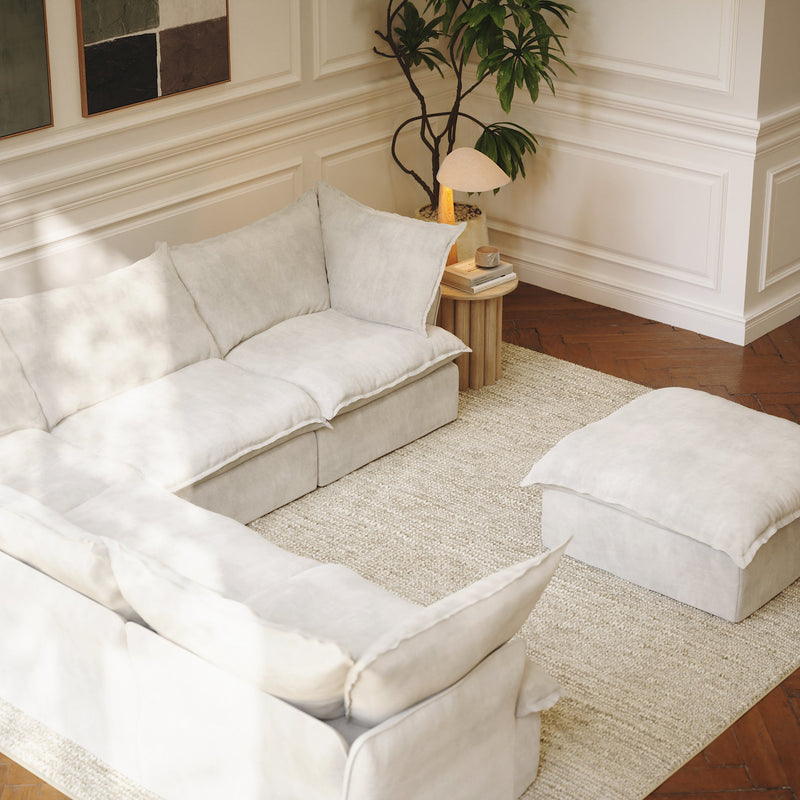
Sofa + Ottoman
Offers maximum flexibility.
The ottoman can function as:
- Coffee table
- Footrest
- Extra seating
- Temporary chaise
- Children's play surface
Symmetrical Layout
Interior designers often use symmetry to create calm, balanced spaces.
Matching seating proportions naturally make a room feel more polished.
Step 2: Choose the Right Rug
A rug is one of the most important styling elements in the room.
Without one, furniture can appear disconnected.
The rug visually anchors the seating area while adding softness and texture.
Designer Tips
-
Choose a rug that's large enough.
At minimum, the front legs of the sofa should rest on the rug. In larger rooms, all furniture legs can sit comfortably within the rug's boundaries.
-
Use rugs to define spaces.
In open-concept homes, rugs help distinguish the living area from nearby dining or kitchen spaces.
-
Introduce texture.
Wool, flatweave, and textured rugs add visual depth without overwhelming the room.
-
Keep the color palette balanced.
Neutral rugs provide flexibility, while patterned rugs can add personality if the sofa is a solid color.
-
Think about durability.
If you have pets or children, choose a rug that's easy to clean and built for everyday use.
Step 3: Layer Decorative Pillows
Pillows are one of the easiest ways to make a sofa feel professionally styled.
Rather than using identical pillows across every seat, designers layer different sizes, textures, and fabrics to create depth.
Pillow Styling Formula
A simple formula works well for most modular sofas:
- Two large pillows.
- Two medium pillows.
- One lumbar pillow.
- One accent pillow with texture.
The goal isn't symmetry—it's balance.
Mix Different Textures
Combining materials creates visual interest.
Consider mixing:
- Linen
- Bouclé
- Velvet
- Cotton
- Knitted fabrics
- Faux fur (seasonally)
Texture often adds more sophistication than bold colors.
Stick to a Cohesive Color Palette
Instead of using many unrelated colors, choose:
- One dominant neutral.
- One secondary color.
- One accent color.
Repeating these colors throughout pillows, throws, artwork, and accessories creates a cohesive design.
Step 4: Add a Throw Blanket
A casually draped throw instantly makes a room feel warmer and more lived in.
It's one of the simplest styling tricks used by professional designers.
Best Placement
- Folded over one arm.
- Draped across one corner.
- Layered over an ottoman.
- Loosely folded across the chaise.
Avoid perfectly symmetrical placement—it should look natural rather than staged.
Step 5: Choose the Right Coffee Table
The coffee table should complement the sofa instead of competing with it.
Round Coffee Tables
Great for:
- Large modular sectionals
- Families with children
- Softer room aesthetics
The rounded shape improves traffic flow and softens the clean lines of the sofa.
Rectangular Coffee Tables
Ideal for:
- Long sectionals
- Large living rooms
- Modern interiors
Provides generous surface space while maintaining visual balance.
Ottoman Coffee Tables
A versatile option that combines function with comfort.
Perfect for:
- Family homes
- Casual spaces
- Extra seating
- Flexible layouts
Step 6: Layer Your Lighting Like a Designer
Lighting is one of the most overlooked elements of living room design.
Even the most beautiful modular sofa can feel flat or uninviting if the room relies on a single overhead light. Interior designers almost always layer different light sources to create warmth, depth, and visual interest.
The goal isn't simply to brighten the room—it's to create different moods for different times of day.
Use Three Types of Lighting
Ambient Lighting
Ambient lighting provides the room's overall illumination.
Examples include:
- Ceiling fixtures
- Recessed lighting
- Chandeliers
- Pendant lights
This creates the foundation for the room.
Task Lighting
Task lighting supports activities like reading or working.
Great options include:
- Floor lamps beside the sofa
- Adjustable reading lamps
- Table lamps on side tables
- Swing-arm wall lamps
Adding task lighting also helps define different zones within an open-concept space.
Accent Lighting
Accent lighting adds atmosphere and highlights decorative features.
Popular choices include:
- Picture lights
- LED shelf lighting
- Small table lamps
- Candles
- Decorative lanterns
These subtle light sources make a room feel warm and inviting during the evening.
Step 7: Hang Artwork at the Right Scale
Artwork is often what transforms a living room from feeling unfinished to professionally designed.
The biggest mistake homeowners make is choosing artwork that's too small.
Large modular sofas require artwork that's scaled appropriately.
Designer Guidelines
-
Hang artwork approximately 6–10 inches above the sofa.
This creates a visual connection between the furniture and the wall without leaving awkward empty space.
-
Choose artwork that's about two-thirds the width of the sofa.
Oversized sectionals look best with larger artwork or thoughtfully arranged gallery walls.
-
Stick to your color palette.
Artwork should introduce accent colors that already appear elsewhere in the room, such as pillows or rugs.
-
Avoid clutter.
One large statement piece often feels more sophisticated than many unrelated small frames.
-
Think about mood.
Landscapes, abstract pieces, black-and-white photography, or nature-inspired artwork all create different emotional effects.
Step 8: Style Your Side Tables
Side tables are functional, but they also provide opportunities to add personality.
Interior designers rarely leave them empty.
Instead, they create simple groupings using objects of varying heights.
A Simple Styling Formula
Choose three or four items, such as:
- A table lamp
- A small plant
- A stack of coffee table books
- A decorative candle
- A ceramic bowl
- A sculptural object
Keeping the arrangement simple prevents visual clutter while making the room feel finished.
Step 9: Add Plants for a Lived-In Feel
Almost every professionally designed living room includes greenery.
Plants soften the clean lines of modular furniture while adding color, texture, and life to the space.
Even one large plant can dramatically improve the overall look of the room.
Designer Favorites
Olive Tree
Creates a relaxed Mediterranean feel.
Perfect for:
- Modern homes
- Minimalist interiors
- Neutral color palettes
Fiddle Leaf Fig
Adds dramatic height.
Works especially well in:
- Open-concept homes
- Large living rooms
- Bright spaces
Rubber Plant
Low-maintenance while offering deep green foliage.
Great for:
- Contemporary interiors
- Busy households
- Apartments
Bird of Paradise
Introduces a tropical, resort-inspired atmosphere.
Ideal for:
- Coastal homes
- Bright living rooms
- Large open spaces
Snake Plant
One of the easiest plants to maintain.
Perfect for:
- Beginners
- Low-light rooms
- Minimalist styling
Step 10: Keep Accessories Intentional
One of the easiest ways to achieve a designer look is by resisting the temptation to decorate every available surface.
Professional interiors often feel calm because they prioritize quality over quantity.
Instead of displaying dozens of decorative objects, choose a few meaningful pieces that complement the room.
Less Is More
Consider adding:
- One sculptural vase.
- A stack of beautiful coffee table books.
- A ceramic bowl.
- A decorative tray.
- A candle.
- A small plant.
Leaving some empty space allows each item to stand out.
Popular Color Palettes for Modular Sofas
Color has a major influence on how polished a living room feels.
Rather than mixing many unrelated colors, interior designers usually build a room around a limited palette.
Warm Neutrals
Perfect for:
- Cozy homes
- Scandinavian interiors
- Modern farmhouse
Colors include:
- Oatmeal
- Beige
- Greige
- Warm gray
- Cream
Earth Tones
Nature-inspired palettes continue to grow in popularity.
Great combinations include:
- Olive green
- Clay
- Rust
- Camel
- Walnut wood
These colors create warmth without feeling trendy.
Black and White
A timeless combination for contemporary interiors.
Use black sparingly through:
- Picture frames
- Lighting
- Coffee tables
- Decorative accents
This creates contrast without overwhelming the room.
Soft Coastal
For relaxed, airy interiors.
Combine:
- White
- Sand
- Light gray
- Natural wood
- Soft blue accents
The result feels calm, fresh, and timeless.
Common Modular Sofa Styling Mistakes
Even beautiful furniture can look unfinished when a few design basics are overlooked.
Avoid these common mistakes.
Using a Rug That's Too Small
A rug that's too small makes every piece of furniture feel disconnected.
Choose one that's large enough to anchor the entire seating area.
Matching Everything Perfectly
Buying matching pillows, artwork, rugs, and accessories often makes a room feel flat.
Instead, mix textures, tones, and materials while keeping the overall palette cohesive.
Using Too Many Pillows
Decorative pillows should enhance comfort—not take it away.
If guests need to remove six pillows just to sit down, you've probably gone too far.
Forgetting Vertical Space
Many homeowners focus only on furniture.
Artwork, mirrors, shelving, and tall plants help draw the eye upward and make the room feel complete.
Ignoring Negative Space
Not every corner needs furniture.
Empty space helps the room breathe and often creates a more luxurious appearance.
Designer Styling Checklist
Before considering your living room finished, run through this checklist.
|
Design Element |
Checklist |
|
Sofa Layout |
Fits the room and supports everyday living |
|
Rug |
Large enough to anchor the seating area |
|
Pillows |
Layered in different sizes and textures |
|
Throw Blanket |
Adds warmth without clutter |
|
Coffee Table |
Proper scale and proportion |
|
Lighting |
Ambient, task, and accent lighting included |
|
Artwork |
Properly sized and hung |
|
Plants |
At least one natural element |
|
Accessories |
Intentional and uncluttered |
|
Color Palette |
Cohesive throughout the room |
A well-styled modular sofa isn't about following trends—it's about creating balance, comfort, and visual harmony throughout your living space.
Style Your Modular Sofa Based on Your Design Style
One of the biggest advantages of a modular sofa is its versatility.
Unlike trend-specific furniture, a modular sofa can fit into almost any interior style simply by changing the surrounding décor. Swap out pillows, rugs, artwork, lighting, and accessories, and the same sofa can look warm and rustic, clean and modern, or soft and coastal.
Professional interior designers often build an entire room around a neutral sofa because it provides endless styling possibilities without needing to replace the largest piece of furniture.
Here are some of the most popular design styles and how to recreate them.
Modern Minimalist
Minimalist interiors focus on simplicity, functionality, and clean lines.
The goal isn't to make a room feel empty—it's to remove unnecessary distractions so every piece serves a purpose.
A modular sofa naturally fits this aesthetic because of its streamlined silhouette and flexible configuration.
How to Style It
-
Choose a neutral color palette.
Shades like white, cream, warm gray, greige, and charcoal create a calm, sophisticated foundation that's easy to build upon.
-
Limit decorative accessories.
Instead of filling every surface, choose a few high-quality pieces such as a sculptural vase or a stack of coffee table books.
-
Use clean-lined furniture.
Pair the sofa with simple coffee tables, sleek lighting, and understated side tables that complement rather than compete.
-
Introduce texture instead of color.
Linen, bouclé, natural wood, and woven baskets add depth without making the room feel busy.
-
Embrace negative space.
Leaving empty areas around the furniture allows the room to feel larger, brighter, and more intentional.
Scandinavian
Scandinavian interiors combine comfort with simplicity.
The emphasis is on natural light, soft textures, and creating a home that feels warm without being cluttered.
This style pairs exceptionally well with modular sofas because both prioritize everyday comfort.
How to Style It
-
Use light neutral colors.
White, oatmeal, beige, and light gray create an airy, welcoming atmosphere.
-
Layer cozy textiles.
Soft throw blankets, knitted pillows, and textured rugs make the space feel inviting year-round.
-
Incorporate natural wood.
Oak, ash, and light walnut furniture bring warmth while maintaining a clean aesthetic.
-
Decorate with greenery.
Simple plants such as olive trees or rubber plants add life without overwhelming the room.
-
Keep décor functional.
Every accessory should be beautiful, practical, or ideally both.
Modern Farmhouse
Modern farmhouse interiors blend rustic warmth with clean contemporary design.
The result is comfortable, timeless, and family-friendly.
A modular sofa with washable covers works particularly well because it combines casual comfort with everyday practicality.
How to Style It
-
Mix wood and metal finishes.
Natural wood coffee tables paired with black metal lighting create classic farmhouse contrast.
-
Choose warm neutral fabrics.
Beige, cream, camel, and soft gray maintain a relaxed atmosphere.
-
Layer different textures.
Combine linen pillows, chunky knit throws, woven baskets, and ceramic accessories.
-
Use oversized artwork.
Landscapes and black-and-white photography work especially well.
-
Prioritize comfort.
The room should feel lived in rather than overly formal.
Coastal
Coastal interiors aren't about decorating with seashells.
Instead, they focus on creating a bright, relaxed atmosphere inspired by the colors and textures of the coast.
A modular sofa becomes the perfect foundation for this effortless style.
How to Style It
-
Stick with light upholstery.
White, ivory, sand, and oatmeal help reflect natural light.
-
Add subtle blue accents.
Soft blues work beautifully through pillows, artwork, or decorative objects.
-
Use natural materials.
Rattan, wicker, linen, and light wood reinforce the relaxed coastal aesthetic.
-
Keep accessories minimal.
The space should feel open and breezy rather than heavily decorated.
-
Maximize natural light.
Sheer curtains or woven shades allow sunlight to become part of the design.
Contemporary
Contemporary interiors evolve with current design trends while maintaining timeless appeal.
They often balance clean architecture with soft, comfortable furnishings.
How to Style It
-
Mix straight lines with curves.
Pair a modular sofa with a round coffee table or curved accent chair to soften the overall look.
-
Introduce subtle contrast.
Black accents, warm wood, and metallic finishes add visual interest without overwhelming the space.
-
Use oversized lighting.
Statement floor lamps or pendant lights become sculptural elements within the room.
-
Layer neutral tones.
Combining several shades of the same color creates depth while maintaining a sophisticated palette.
-
Choose quality over quantity.
A few carefully selected accessories often create a stronger impression than numerous decorative objects.
Our Favorite Modular Sofa Styling Ideas
Some styling ideas consistently appear in professionally designed homes because they combine beauty with practicality.
Whether your home is large or small, these ideas help create a space that feels polished, welcoming, and easy to live in.
Create a Reading Corner
Position a floor lamp and a small side table next to one end of the modular sofa to create a cozy reading nook. Adding a comfortable throw blanket and a small stack of books makes the area feel inviting without requiring additional furniture.
Use an Oversized Rug
A generously sized rug visually anchors the seating area and helps define the living room, especially in open-concept homes. It also makes the entire arrangement feel larger and more cohesive.
Mix Pillow Sizes Instead of Matching Sets
Rather than purchasing identical pillow sets, combine larger square pillows with lumbar pillows and textured accent cushions. Varying sizes and fabrics creates the layered look often seen in professionally styled interiors.
Decorate with Coffee Table Books
Coffee table books add height, personality, and visual interest. Choose books related to architecture, travel, fashion, photography, or nature to reflect your interests while enhancing the room's design.
Add One Statement Plant
Instead of placing many small plants throughout the room, consider using one large statement plant such as a fiddle leaf fig or olive tree. This creates a focal point while keeping the room uncluttered.
Incorporate Personal Touches
The most beautiful homes don't look like furniture showrooms.
Display meaningful artwork, travel souvenirs, family photos, or handcrafted décor alongside your design pieces. Personal details give the room warmth and make it feel uniquely yours.
Why Modular Sofas Make Styling Easier
Traditional sofas often lock you into one permanent layout.
Modular sofas, on the other hand, allow your living room to evolve alongside your lifestyle.
As your needs change, you can:
-
Rearrange the configuration.
Create a new layout for entertaining, movie nights, or everyday living without purchasing new furniture.
-
Expand the seating.
Add modules as your family grows or as you move into a larger home.
-
Refresh the look with new accessories.
Swapping pillows, throws, rugs, or artwork instantly gives the room a different personality.
-
Replace washable slipcovers.
Washable covers make seasonal updates and everyday maintenance much easier, especially for homes with children or pets.
-
Adapt to changing design trends.
Because the sofa itself remains timeless, updating the surrounding décor is often enough to keep the space feeling fresh.
Final Verdict
Styling a modular sofa like an interior designer isn't about buying expensive furniture or filling your home with decorative accessories.
It's about creating balance.
The best-designed living rooms begin with a well-proportioned sofa, then layer thoughtful elements such as rugs, pillows, lighting, artwork, plants, and natural textures to create a cohesive space that feels comfortable as well as beautiful.
A modular sofa makes this process even easier because of its flexibility. Whether you prefer minimalist interiors, Scandinavian warmth, modern farmhouse charm, or contemporary elegance, the same modular sofa can adapt simply by changing the surrounding décor.
For homeowners looking to invest in furniture that evolves with their lifestyle, a modular sofa with durable construction and machine-washable covers offers the perfect combination of style, practicality, and long-term value.
When you focus on timeless design principles instead of short-lived trends, you'll create a living room that feels professionally designed today—and still looks beautiful years from now.
Frequently Asked Questions
How do you style a modular sofa?
Start by choosing the right layout for your room, then anchor the seating area with a properly sized rug. Layer decorative pillows, add a throw blanket, incorporate balanced lighting, and finish with artwork, plants, and a few carefully selected accessories.
How many pillows should a modular sofa have?
There isn't a universal rule, but most modular sofas look balanced with five to nine pillows, depending on their size. Mixing different pillow sizes, textures, and shapes usually creates a more designer-inspired look than using matching sets.
What color rug goes with a modular sofa?
Neutral rugs in shades like cream, beige, oatmeal, gray, or soft taupe pair well with most modular sofas. If your sofa is neutral, a subtle patterned rug can also add visual interest without overwhelming the room.
Should a coffee table match a modular sofa?
Not exactly. Instead of matching perfectly, aim for complementary materials and proportions. Mixing wood, stone, glass, or metal often creates a more layered and professionally designed appearance.
What's the best coffee table shape for a modular sectional?
Round and oval coffee tables are popular because they soften the straight lines of a sectional and improve traffic flow. Rectangular tables work well with longer configurations, while upholstered ottomans offer extra flexibility in family homes.
Can you style a modular sofa in a small living room?
Absolutely. Choose a layout that fits the room, use a large enough rug to define the seating area, avoid oversized accessories, and keep the color palette light to make the space feel larger and more open.
Are washable modular sofas easier to decorate?
Yes. Washable slipcovers make it much easier to maintain a clean, fresh appearance over time. They also give homeowners confidence to choose lighter upholstery colors, which are often preferred in designer-inspired interiors.