What Makes a Sofa High Quality? 10 Things to Look For Before You Buy

A sofa is one of the biggest furniture investments you'll make for your home. It's where you relax after work, spend time with family, host guests, binge-watch your favorite shows, and sometimes even take an afternoon nap. A quality sofa should do more than look beautiful—it should stay comfortable, supportive, and durable for many years.
The challenge is that it can be surprisingly difficult to tell whether a sofa is actually well made.
Online photos rarely reveal what's inside the frame. Product descriptions often highlight soft fabrics and stylish colors while saying very little about construction quality. Even an expensive sofa isn't automatically a high-quality one, and a lower-priced option isn't always poorly built.
Fortunately, there are several features that consistently separate quality sofas from those that wear out quickly.
In this guide, we'll explain exactly what to look for before buying a sofa, from frame construction and cushion materials to upholstery, warranties, and long-term durability.
Quick Checklist: Signs of a High-Quality Sofa
A well-made sofa should check most of these boxes:
✅ Solid hardwood or engineered wood frame
✅ Strong joinery and reinforced construction
✅ High-density foam cushions
✅ Durable upholstery fabric
✅ Comfortable seat depth and support
✅ Quality suspension system
✅ Removable or washable covers (when applicable)
✅ Modular or repairable components
✅ Reliable warranty
✅ Positive long-term customer reviews
The more boxes a sofa checks, the more likely it is to provide years of comfortable everyday use.
Why Sofa Quality Matters
Buying a sofa isn't just about today's comfort.
It's about how that sofa performs after thousands of hours of daily use.
A lower-quality sofa may feel comfortable in the showroom but begin sagging, squeaking, or losing support after only a few years. A better-built sofa, on the other hand, often maintains its comfort and appearance much longer, making it a better value despite a higher upfront price.
Quality also affects maintenance, durability, resale value, and overall ownership experience.
Understanding what separates premium construction from average construction helps you spend your money more wisely.
1. A Strong Frame Is the Foundation
The frame is the skeleton of the sofa.
Everything else—from the cushions to the upholstery—depends on the strength of what's underneath.
A beautiful sofa with a weak frame won't stay comfortable for long.
What to Look For
-
Solid hardwood or quality engineered wood.
Hardwood species such as kiln-dried oak, maple, or ash are known for their durability. High-quality engineered wood can also provide excellent stability when properly constructed.
-
Kiln-dried wood.
Drying the wood before construction reduces moisture, helping prevent future warping, twisting, or cracking.
-
Reinforced corner blocks.
Extra support at stress points improves overall structural strength and reduces movement over time.
-
Minimal flexing.
A quality frame should feel stable without excessive creaking or wobbling during normal use.
-
Designed for years of everyday use.
Strong frames help maintain the sofa's shape even in busy households.
2. High-Quality Joinery
How the frame is assembled is just as important as the materials themselves.
Well-built sofas use stronger construction techniques than simply relying on staples or nails.
Signs of Good Construction
-
Reinforced joints.
Multiple fastening methods provide greater durability than a single type of connector.
-
Corner blocks for added strength.
These help distribute weight more evenly across the frame.
-
Minimal movement under pressure.
A sturdy sofa shouldn't noticeably shift when someone sits down.
-
Consistent craftsmanship.
Even hidden areas should appear well assembled and thoughtfully finished.
-
Built for repeated daily use.
Strong joinery helps prevent loosening over years of sitting, reclining, and moving.
3. Supportive Cushion Construction
The cushions largely determine how comfortable your sofa feels every day.
They also have one of the biggest impacts on how the sofa ages over time.
Low-quality cushions often flatten quickly, while better materials retain their shape much longer.
What to Look For
-
High-density foam cores.
Denser foam generally provides better long-term support and resilience.
-
Balanced softness and support.
Extremely soft cushions may feel luxurious initially but can lose structure more quickly.
-
Consistent comfort across seats.
Every cushion should provide a similar seating experience.
-
Shape retention.
Quality cushions recover their form after regular use instead of remaining compressed.
-
Comfort suited to everyday living.
Whether lounging or entertaining, the cushions should feel supportive for extended periods.
4. Durable Upholstery Fabric
Your sofa's fabric experiences constant friction, sunlight, spills, and cleaning.
Choosing durable upholstery helps preserve both appearance and comfort.
Quality Fabric Characteristics
-
Performance fabrics.
These are often designed to better resist stains, fading, and everyday wear.
-
Tightly woven materials.
Dense weaving generally improves durability while reducing pilling.
-
Washable covers when available.
Removable slipcovers make routine maintenance much easier.
-
Fade resistance.
Fabrics exposed to natural sunlight should maintain their appearance over time.
-
Soft but practical texture.
Comfortable upholstery should also be durable enough for everyday use.
5. A Good Suspension System
Many buyers never think about what's beneath the cushions.
However, the suspension system is one of the biggest factors affecting comfort and longevity.
Why It Matters
The suspension supports your body weight while helping cushions maintain consistent comfort.
Quality Suspension Features
- Even support across the seating area.
- Comfortable weight distribution.
- Minimal sagging over time.
- Stable seating surface.
- Designed for repeated daily use.
6. Comfort and Ergonomics Matter More Than You Think
A high-quality sofa shouldn't just look good—it should feel comfortable every time you sit down.
Comfort isn't determined by softness alone. The best sofas are thoughtfully designed to support your body whether you're watching television, entertaining guests, reading a book, or simply relaxing after a long day.
A sofa that feels comfortable for five minutes in a showroom may feel completely different after two hours at home. That's why ergonomics—the relationship between your body and the furniture—is just as important as cushion materials.
What to Look For
-
Comfortable seat depth.
The ideal seat depth depends on your height and how you prefer to sit. Taller people often appreciate deeper seating, while moderate depths can provide better support for shorter users.
-
Supportive back cushions.
Good back cushions provide lumbar support while allowing you to relax naturally without slouching excessively.
-
Proper seat height.
Your feet should rest comfortably on the floor while your knees remain at a natural angle. This reduces pressure during extended sitting.
-
Balanced firmness.
A quality sofa shouldn't feel overly hard or excessively soft. The best cushions provide support while remaining inviting.
-
Comfort across the entire sofa.
Every seat should offer a consistent experience, without one section feeling noticeably softer or firmer than another.
7. Modular Construction Can Extend a Sofa's Lifespan
Traditional sofas are built as one fixed piece of furniture.
Modular sofas, on the other hand, are made up of individual seating sections that can often be rearranged, expanded, or replaced over time.
This flexibility isn't just convenient—it can also contribute to long-term durability and ownership value.
Benefits of Modular Construction
-
Expandable layouts.
As your family grows or your living room changes, additional modules can often be added instead of replacing the entire sofa.
-
Easier moving.
Individual pieces are generally easier to transport through doorways, hallways, and staircases than one large sectional.
-
Replaceable components.
If one section experiences more wear than the others, some modular systems allow individual pieces to be replaced rather than purchasing a brand-new sofa.
-
Flexible room arrangements.
Rearranging the layout helps the sofa adapt to new homes or changing floor plans.
-
Long-term versatility.
A modular system can continue meeting your needs through different stages of life, making it a smart long-term investment.
8. Washable Covers Add Long-Term Value
One of the easiest ways to extend the life of a sofa is to choose upholstery that's easy to maintain.
Removable, machine-washable slipcovers have become increasingly popular because they make everyday ownership much less stressful.
Instead of worrying about every spill or pet accident, homeowners can simply remove the covers for cleaning when needed.
Why Washable Covers Matter
-
Simplify everyday cleaning.
Routine maintenance becomes much easier when covers can be removed and washed at home.
-
Help preserve appearance.
Regular cleaning helps fabrics maintain their original look over time.
-
Ideal for busy households.
Families with children and pets often benefit the most from washable upholstery.
-
Encourage lighter fabric colors.
Homeowners may feel more confident choosing beige, oatmeal, or white when the covers are washable.
-
Improve long-term ownership.
Easy maintenance can help the sofa remain attractive for many years.
9. A Good Warranty Reflects Manufacturer Confidence
A warranty doesn't guarantee perfection, but it can provide valuable insight into how confident a manufacturer is in its product.
Companies that invest in quality materials and construction are often more willing to stand behind their furniture.
Before purchasing, take a few minutes to understand what's actually covered.
Review These Details
-
Frame coverage.
The frame is one of the most expensive components to replace, making this an important part of the warranty.
-
Cushion coverage.
Some warranties address manufacturing defects related to cushion construction or materials.
-
Fabric coverage.
Understand whether upholstery issues are included and what limitations apply.
-
Duration.
Compare warranty periods across brands, but remember that length alone doesn't determine quality.
-
Exclusions.
Read the fine print so you know what qualifies as normal wear versus a manufacturing defect.
10. Long-Term Customer Reviews Tell the Real Story
One of the most valuable resources available to buyers is long-term customer feedback.
Professional product photography and marketing materials highlight the sofa at its very best, but reviews from people who've owned the furniture for months or years often reveal how it performs in everyday life.
Looking beyond first impressions can help you make a more informed decision.
What to Look For
-
Reviews written after several months.
These provide better insight into durability than reviews posted immediately after delivery.
-
Comments about comfort over time.
Notice whether owners say the cushions remain supportive after regular use.
-
Maintenance experiences.
Reviews discussing washable covers, stain resistance, or cleaning routines can be especially helpful.
-
Construction feedback.
Look for consistent comments regarding frame stability, squeaks, or overall build quality.
-
Patterns, not isolated opinions.
Every product receives occasional negative reviews. Focus on recurring themes across many customers rather than individual experiences.
Warning Signs of a Low-Quality Sofa
Knowing what to avoid is just as important as knowing what to look for.
While no single issue automatically indicates poor quality, multiple warning signs together may suggest a sofa won't hold up well over time.
Red Flags
-
The frame feels unstable.
Excessive creaking, wobbling, or movement may indicate weaker construction.
-
Cushions flatten quickly.
Low-density foam often loses its shape faster than higher-quality materials.
-
Fabric appears thin or loosely woven.
Delicate upholstery may wear out more quickly under everyday use.
-
Visible uneven stitching.
Inconsistent seams or loose threads can reflect lower manufacturing standards.
-
No information about materials.
Reputable brands usually provide details about frame construction, fabrics, and cushion materials.
-
Very limited warranty coverage.
While not always a dealbreaker, minimal warranty protection may be worth investigating further.
High-Quality Sofa Checklist
Use this checklist when comparing different brands or models.
|
Feature |
What to Look For |
|
Frame |
Solid hardwood or quality engineered wood |
|
Joinery |
Reinforced joints and sturdy construction |
|
Cushions |
High-density foam with lasting support |
|
Suspension |
Even, supportive seating system |
|
Fabric |
Durable, tightly woven performance upholstery |
|
Comfort |
Proper seat depth, back support, and firmness |
|
Maintenance |
Removable or washable covers when available |
|
Flexibility |
Modular or repairable design |
|
Warranty |
Clear coverage on major components |
|
Reviews |
Positive long-term ownership experiences |
The more items a sofa checks off, the greater the likelihood that it will remain comfortable and durable through years of everyday use.
How to Evaluate Sofa Quality Before You Buy
Even if you're shopping online and can't sit on the sofa in person, there are still plenty of ways to judge its quality before making a purchase.
Rather than relying solely on marketing photos or customer ratings, look for detailed information about the sofa's construction, materials, and long-term ownership experience. High-quality brands are usually transparent about how their furniture is built because it's one of their biggest selling points.
Here are some practical ways to evaluate a sofa before clicking "Buy Now."
Read the Product Specifications Carefully
The specifications often tell you far more than the product description.
Look for details about:
-
Frame materials.
Reputable manufacturers typically disclose whether the frame uses kiln-dried hardwood, engineered wood, or a combination of materials.
-
Cushion construction.
Look for information about foam density, support layers, and filling materials instead of vague terms like "premium comfort."
-
Fabric composition.
Performance fabrics, tightly woven upholstery, and removable covers are all positive indicators.
-
Dimensions.
Pay close attention to seat depth, seat height, and overall dimensions to ensure the sofa matches your comfort preferences.
-
Weight capacity.
While not always listed, sofas with clearly stated weight recommendations often reflect thoughtful engineering and testing.
Look Beyond Professional Photography
Beautiful lifestyle images are designed to inspire, but they don't always tell the whole story.
Real-world photos provide a better understanding of how the sofa looks after it's been lived on.
Pay Attention To:
- Customer-uploaded photos.
- Videos of the sofa in everyday homes.
- Close-up images of stitching and upholstery.
- Photos showing the sofa after months of use.
- Images in different lighting conditions.
These visuals often provide a more realistic expectation than showroom photography alone.
Read Reviews Strategically
Not every review carries the same value.
Five-star reviews posted immediately after delivery mainly reflect first impressions, while reviews written months later usually provide more insight into durability.
Focus On Reviews That Mention:
- Cushion support over time.
- Fabric durability.
- Ease of cleaning.
- Frame stability.
- Customer service experience.
- Long-term comfort.
Consistent themes across many reviews are often more meaningful than isolated comments.
Are Expensive Sofas Always Better?
One of the biggest misconceptions in furniture shopping is that a higher price automatically means higher quality.
While premium sofas often use better materials and construction techniques, price alone isn't a guarantee of durability.
Some expensive sofas charge more because of designer branding, imported materials, or luxury finishes rather than superior structural quality.
Likewise, some mid-range sofas offer exceptional long-term value because manufacturers invest in practical features like durable frames, supportive cushions, washable upholstery, and modular construction instead of luxury branding.
Instead of Looking at Price Alone, Compare:
-
Frame quality.
A well-built frame contributes more to longevity than expensive decorative details.
-
Comfort.
The sofa should support your body comfortably during extended use—not just feel plush in a showroom.
-
Fabric performance.
Durable upholstery often provides greater long-term value than delicate premium fabrics.
-
Maintenance.
Washable covers, replaceable components, and easy care can significantly extend the sofa's lifespan.
-
Warranty and reputation.
Companies that consistently receive positive long-term reviews and offer meaningful warranties often provide stronger overall value.
The goal isn't to buy the most expensive sofa—it's to buy the best-built sofa within your budget.
Our Top Recommendations for a High-Quality Sofa
After comparing construction, comfort, maintenance, durability, and long-term ownership, several features consistently stand out among quality sofas.
If you're evaluating different brands, prioritize sofas that include as many of these characteristics as possible.
A Strong Frame
The frame is the foundation of the entire sofa.
Look for kiln-dried hardwood or high-quality engineered wood combined with reinforced joinery for long-term structural stability.
Supportive Cushions
Choose cushions that balance softness with support.
Quality foam and thoughtfully designed cushion construction help maintain comfort and shape through years of everyday use.
Durable Upholstery
Performance fabrics and tightly woven upholstery resist everyday wear better than delicate materials.
If available, removable washable covers add another layer of practicality.
Modular Flexibility
Modular sofas provide greater adaptability than traditional sectionals.
The ability to rearrange layouts or expand seating can extend the useful life of your furniture as your needs change.
Easy Maintenance
A sofa that's simple to clean is much easier to enjoy over the long term.
Features such as washable slipcovers and stain-resistant fabrics reduce the stress of everyday spills and accidents.
Our Recommendation
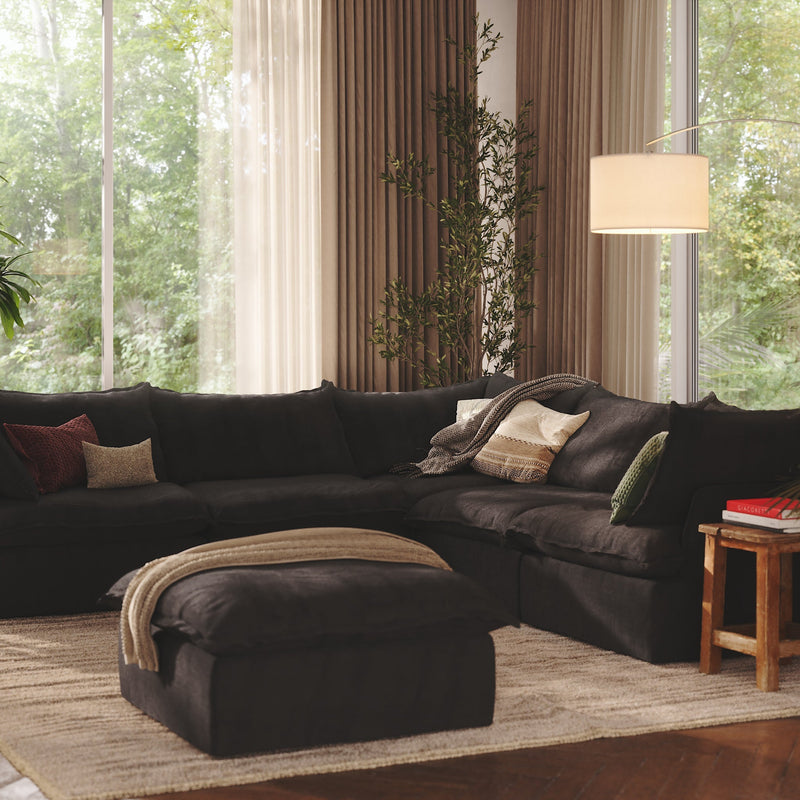
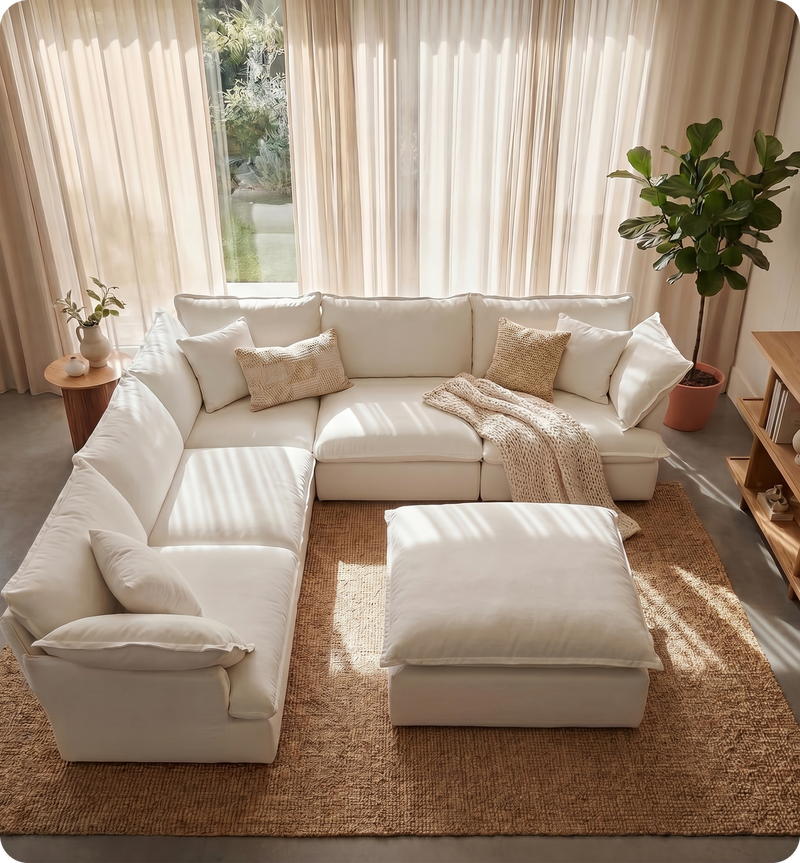
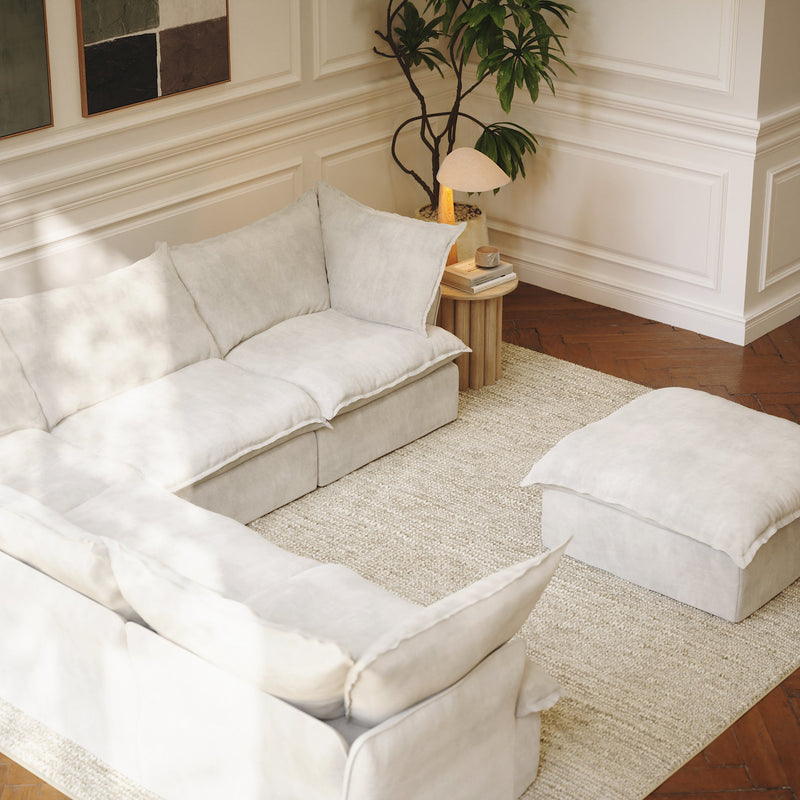
For homeowners looking for a sofa that combines quality construction with practical everyday living, Sofie Home's CloudComfort™ Modular Sofa is a strong example of what to look for in a premium sofa.
Its design incorporates many of the characteristics discussed throughout this guide, including supportive cushions, a modular configuration, durable upholstery, and machine-washable slipcovers. Rather than focusing solely on appearance, it's built with long-term comfort and maintenance in mind, making it well suited for families, pet owners, and anyone who wants furniture designed for everyday use.
Of course, the best sofa is ultimately the one that fits your home, your lifestyle, and your budget. Use the quality checklist in this guide to compare any brand objectively before making your final decision.
Final Verdict
A high-quality sofa is much more than an attractive piece of furniture.
It's the result of thoughtful engineering, durable materials, supportive construction, and practical features that continue performing well year after year. While style and color may capture your attention first, it's what's beneath the upholstery that determines how comfortable and durable your sofa will be over time.
The best sofas combine a sturdy frame, reliable suspension system, supportive cushions, durable upholstery, and careful craftsmanship. They also make ownership easier through features like modular flexibility, removable covers, and clear warranty protection.
Perhaps most importantly, a quality sofa should fit your lifestyle. A family with children may prioritize washable fabrics, while a remote worker may value deep seating and ergonomic support. Understanding your own needs allows you to choose furniture that delivers lasting comfort instead of short-term excitement.
Before making your purchase, take the time to compare construction details, read long-term customer reviews, and evaluate how the sofa will perform five or ten years from now—not just on delivery day.
Buying a quality sofa isn't about spending the most money. It's about making an informed investment in furniture that you'll enjoy every day.
Frequently Asked Questions
How can you tell if a sofa is high quality?
Look for a strong frame, durable joinery, supportive cushions, quality suspension, tightly woven upholstery, and clear information about the materials used. Long-term customer reviews and warranty coverage can also provide valuable insight into overall quality.
What type of frame is best for a sofa?
Solid hardwood frames and high-quality engineered wood frames are generally considered among the most durable options. Proper construction and reinforced joints are just as important as the material itself.
Are modular sofas high quality?
Many modular sofas are built to very high standards. In addition to quality construction, they offer the added benefits of flexible layouts, easier transportation, and the ability to expand or replace individual modules over time.
What cushion material lasts the longest?
High-density foam is commonly used in quality sofas because it provides a balance of comfort, support, and durability. The overall construction of the cushion is just as important as the foam itself.
Do washable sofa covers affect quality?
No. In many cases, washable slipcovers improve long-term ownership by making routine maintenance easier. They help homeowners keep their sofas looking fresh without affecting the structural quality of the furniture.
Is a more expensive sofa always better?
Not necessarily. Price can reflect branding, designer collaborations, or luxury finishes rather than construction quality. Comparing materials, craftsmanship, comfort, and warranty coverage is a better way to judge overall value.
How long should a quality sofa last?
A well-made sofa built with quality materials and properly maintained can provide many years of comfortable use. Lifespan depends on factors such as construction quality, frequency of use, maintenance, and the overall care it receives.